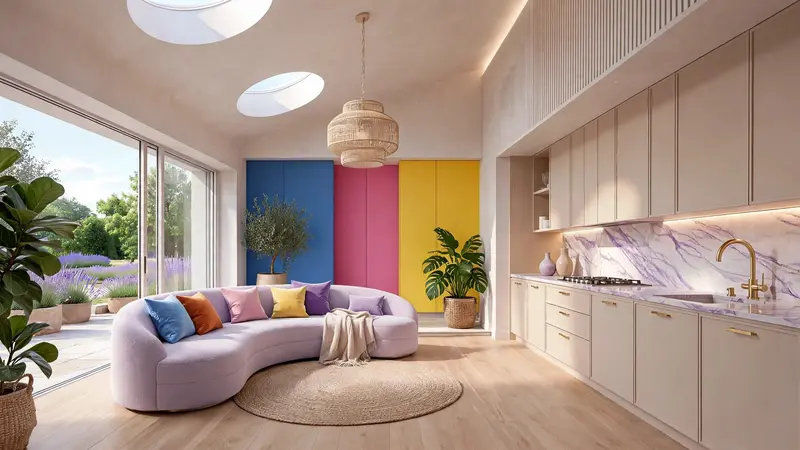
A beautiful home does not always require a complete renovation or a large budget. With thoughtful planning, practical improvements, and a clear understanding of how each room is used, we can create a home that feels more comfortable, organized, modern, and welcoming. DecoradHouse Upgrade Tips by DecoratorAdvice focus on making meaningful improvements without unnecessarily replacing everything.
The most effective upgrades usually combine appearance with everyday functionality. Better lighting, improved storage, updated colors, carefully selected furniture, and thoughtful decorative details can change the character of a room without requiring major construction. Current decorating guidance also emphasizes assessing each room first, setting realistic goals, and prioritizing upgrades according to cost and impact.
Why Smart Home Upgrades Matter
Home decoration should do more than make a room attractive. A successful upgrade should make the space easier to use and more comfortable for the people living there.
Before buying new furniture or accessories, we can walk through each room and identify what needs attention. A room might need additional storage, better lighting, a more practical furniture arrangement, or simply a fresh coat of paint.
It is useful to divide improvements into three groups:
- Essential maintenance and repairs
- Functional improvements
- Decorative enhancements
This order helps prevent cosmetic changes from taking priority over important maintenance. Once essential problems are addressed, decorative improvements can be planned around the condition and purpose of the room.
Create a Room-by-Room Upgrade Plan
One of the most practical DecoradHouse Upgrade Tips by DecoratorAdvice is to begin with a simple room audit. We can record the size of each room, available natural light, existing furniture, storage capacity, and areas that feel outdated or uncomfortable.
Instead of attempting to change the entire house simultaneously, we can prioritize the rooms that have the greatest daily impact. Living rooms, kitchens, bedrooms, and entryways are often excellent starting points because improvements in these areas can influence both comfort and first impressions.
For every room, we can establish one clear goal. For example:
- Make the living room more comfortable.
- Improve storage in the bedroom.
- Brighten a dark hallway.
- Make the kitchen feel more modern.
- Create a more functional home office.
A defined goal makes it easier to decide which purchases are worthwhile and which are unnecessary.
Set a Realistic Decorating Budget
A budget is an important part of any successful home upgrade. Without one, small purchases can quickly accumulate and turn a simple refresh into an expensive project.
We can divide the available budget into categories such as paint, lighting, furniture, textiles, storage, accessories, and professional work when necessary. It is also sensible to reserve some money for unexpected costs.
Current decorating guidance recommends defining a budget and timeline before starting and keeping an additional portion available for unexpected needs.
A limited budget does not mean the final result has to look basic. Instead, we can concentrate spending on elements that create the greatest visual or functional improvement.
Refresh Walls With Paint
Paint remains one of the simplest ways to change the atmosphere of a room. A fresh wall color can make an outdated space appear cleaner and more coordinated.
Neutral shades such as warm white, beige, soft gray, and cream provide versatile foundations. For homeowners who want more personality, muted green, dusty blue, terracotta, or another carefully selected accent color can introduce character.
We do not necessarily need to paint every wall. An accent wall can create a focal point while reducing the amount of paint and labor required.
Before committing to a color, we should test a small section and observe it under both natural and artificial lighting. Colors can look significantly different depending on the direction of the windows and the type of light used in the room.
Upgrade Lighting for a Warmer Atmosphere
Lighting can dramatically influence how furniture, colors, textures, and architectural details appear.
Instead of depending entirely on one ceiling fixture, we can layer several sources of illumination. Ambient lighting provides general visibility, task lighting supports specific activities, and accent lighting highlights decorative or architectural features.
Floor lamps, table lamps, wall lights, pendant fixtures, and carefully positioned accent lights can create different levels of brightness throughout a room. Warm-toned lighting can also make living spaces feel more relaxed.
Natural light should be considered as part of the decorating plan. Light curtains or suitable window treatments can allow daylight into the room while still providing privacy.
Improve Furniture Placement
Sometimes the best upgrade costs nothing. Rearranging existing furniture can completely change the way a room feels.
We should examine whether furniture blocks windows, interrupts walking paths, or makes conversation difficult. Sofas and chairs should encourage interaction, while tables should remain accessible without restricting movement.
In open-plan homes, rugs and furniture arrangements can help define separate zones. A seating area, dining area, and work area can feel distinct while still belonging to one larger space.
Furniture should also be proportional to the room. Oversized pieces can overwhelm smaller spaces, while very small furniture can make a large room feel disconnected.
Choose Multifunctional Furniture
When space is limited, multifunctional furniture can provide both style and practicality. Storage ottomans, benches with compartments, nesting tables, modular shelving, and furniture with built-in storage can help reduce clutter.
This approach is particularly useful in apartments, compact bedrooms, home offices, and multipurpose living areas.
Rather than adding another cabinet whenever storage becomes a problem, we can consider whether an existing piece can perform two functions. A storage bench, for example, can provide seating while keeping blankets, books, or other belongings organized.
Make Better Use of Vertical Space
Walls provide valuable decorating and storage opportunities. Tall shelving, floating shelves, vertical artwork, and strategically positioned curtains can draw the eye upward and make a room feel taller.
Instead of placing every item at the same height, we can create visual variety by combining tall, medium, and low objects.
Window treatments can also influence the perception of height. Hanging curtains higher and allowing them to extend toward the floor can create a more elongated appearance.
The objective is not to cover every wall. We should leave enough open space so the room remains balanced rather than crowded.
Add Texture With Rugs and Textiles
Texture gives an interior depth that color alone cannot provide. We can combine smooth furniture with woven rugs, soft cushions, knitted throws, linen curtains, wooden surfaces, ceramics, and other tactile materials.
A living room, for example, can become more inviting with a textured rug, several coordinated cushions, and a comfortable throw.
The colors do not have to match perfectly. Repeating related shades throughout the room is often enough to create visual cohesion.
Textiles are also useful because they can be replaced seasonally. We can use lighter fabrics and brighter tones during warmer months and introduce richer textures during colder periods.
Use Mirrors Strategically
Mirrors can serve both decorative and practical purposes. When positioned thoughtfully, they reflect light and can make a room appear more open.
A mirror opposite or near a window can help distribute daylight. In narrow hallways, a properly sized mirror can create a greater sense of depth.
However, placement should be deliberate. We should consider what the mirror reflects rather than simply placing it on an empty wall. An attractive reflection can become part of the overall composition.
Bring Nature Indoors
Plants are an easy way to introduce natural color and texture. A large plant can fill an empty corner, while smaller plants can be positioned on shelves, side tables, or windowsills.
Low-maintenance varieties may be suitable for people who prefer simple care routines. The number of plants should depend on the available space and the amount of natural light.
Planters themselves can become decorative elements. Ceramic, woven, wooden, or minimalist containers can complement the existing style of the room.
Update Small Details for a Modern Look
Small visible details can have a surprisingly strong effect. Replacing outdated cabinet handles, drawer pulls, light-switch plates, or door hardware can refresh older interiors without replacing major furniture.
Window treatments are another useful area for improvement. Old or worn curtains can make a room look dated, while suitable new curtains, blinds, or shades can provide a cleaner appearance.
These small upgrades are especially useful when the main furniture is still in good condition.
Style Surfaces Without Creating Clutter
A room can become less attractive when every shelf, table, and cabinet is filled with decorative objects. We can create a more intentional appearance by selecting a limited number of meaningful pieces.
Books, plants, vases, framed artwork, ceramics, and small sculptures can work well when arranged with differences in height and shape.
Odd-number groupings are commonly used in interior styling because they can create a more natural visual rhythm. Three or five related objects can form a simple arrangement without making a surface feel overloaded.
The best finishing touches should support the room’s existing design rather than compete with it.
Upgrade the Bedroom for Comfort
Bedrooms should prioritize comfort and calm. Soft colors, suitable lighting, comfortable bedding, and organized bedside areas can make the room feel more relaxing.
We can update the bedroom without replacing everything. New bedding, curtains, a rug, bedside lighting, or a simple artwork arrangement can create a fresh appearance.
Storage is equally important. Keeping clothing and everyday items organized reduces visual clutter and makes the room easier to maintain.
Give the Kitchen a Practical Refresh
A kitchen upgrade does not necessarily mean replacing cabinets or appliances. New cabinet hardware, improved lighting, organized shelves, and refreshed accessories can make a noticeable difference.
Open shelves can display attractive dishes or containers, while drawer organizers can improve everyday functionality.
If cabinets are structurally sound, repainting them or replacing their hardware may provide a more affordable alternative to a complete replacement.
Improve Outdoor Areas
Home upgrades should not stop at the interior. Patios, balconies, gardens, and entryways can also benefit from thoughtful improvements.
Comfortable outdoor seating, appropriate lighting, potted plants, clean pathways, and simple decorative elements can make outdoor areas more useful.
A well-planned outdoor space should remain easy to move through and maintain. The goal is to create an area that people actually want to use rather than filling it with unnecessary decoration.
Focus on Sustainable and Long-Lasting Choices
Good decorating is not only about appearance. Durable materials, reusable furniture, energy-efficient lighting, and thoughtful purchasing decisions can reduce waste and long-term costs.
Instead of replacing an item simply because it is no longer trendy, we can consider whether it can be repaired, refinished, repositioned, or updated.
Choosing timeless foundations also makes it easier to introduce small seasonal or trend-based changes without redesigning the whole room.
Common Upgrade Mistakes to Avoid
The best DecoradHouse Upgrade Tips by DecoratorAdvice also involve knowing what not to do.
Common mistakes include:
- Buying furniture before measuring the room
- Using too many unrelated colors
- Overfilling shelves and surfaces
- Ignoring lighting
- Choosing style over comfort
- Spending heavily on temporary trends
- Neglecting storage
- Making cosmetic changes before essential repairs
Avoiding these mistakes can save both money and time.
Frequently Asked Questions
What is the easiest home upgrade to start with?
Start with decluttering, furniture rearrangement, and lighting. These changes can improve a room without requiring major construction or expensive purchases.
How can we upgrade a home on a small budget?
Prioritize paint, hardware, lighting, textiles, storage, and furniture rearrangement. These areas can create noticeable improvements without requiring a complete renovation.
How do we make a small room look larger?
Use appropriately sized furniture, lighter colors, mirrors, vertical storage, and clear walking paths. Avoid overcrowding the room with unnecessary accessories.
Should we renovate or redecorate?
If there are structural, electrical, plumbing, or serious maintenance problems, those should be addressed first. If the space is structurally sound but feels outdated, redecorating may be enough.
How can lighting improve home decor?
Layered lighting adds depth and flexibility. Combining general, task, and accent lighting can make a room more functional while improving its atmosphere.
Are expensive furniture pieces necessary?
No. Good proportions, thoughtful placement, suitable colors, and coordinated accessories can make affordable or existing furniture look considerably better.
How often should we update home decor?
There is no fixed schedule. Small changes can be made whenever a room stops meeting practical or aesthetic needs. Durable foundations can remain in place for years while smaller accessories are refreshed periodically.
Final Thoughts
A successful home transformation does not depend on making the largest possible changes. It depends on making the right changes in the right order. We can begin by evaluating each room, establishing clear goals, setting a realistic budget, and prioritizing improvements that provide genuine daily value.
The most useful DecoradHouse Upgrade Tips by DecoratorAdvice combine practical planning with thoughtful styling. Better lighting, smarter storage, refreshed colors, improved furniture placement, natural elements, layered textures, and carefully selected accessories can collectively create a home that feels more polished and comfortable.
By concentrating on functionality first and decoration second, we can achieve a balanced interior that looks attractive without becoming impractical. Small, intentional improvements often provide the most sustainable path toward a home that feels modern, organized, welcoming, and truly personal. Click here see more details.