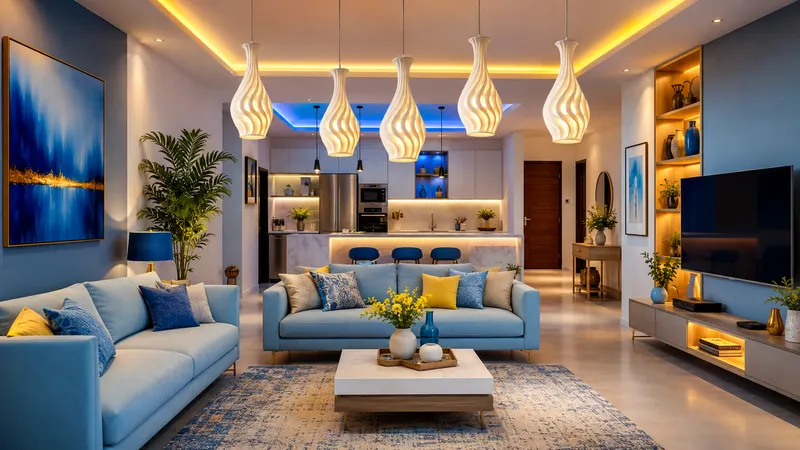
Lighting can completely change the atmosphere, comfort, and visual appeal of a home. Even a beautifully furnished room can feel dull when it has poor illumination, while a simple room can become warm and inviting with carefully planned lighting. With the right decoradhouse lumination ideas, we can create interiors that feel brighter, more comfortable, stylish, and functional without making major structural changes.
Good lighting is not simply about making a room brighter. It involves choosing the right fixtures, brightness levels, colors, positions, and layers for different activities. From living rooms and bedrooms to kitchens, bathrooms, hallways, and outdoor areas, every space can benefit from a thoughtful lighting plan.
What Are DecoradHouse Lumination Ideas?
DecoradHouse lumination ideas refer to practical and creative ways of using lighting as an important part of home decoration. These ideas combine functionality with interior style so that lighting supports both the appearance and everyday use of a room.
A successful lighting design usually considers three main layers:
- Ambient lighting for general illumination
- Task lighting for activities that require focused light
- Accent lighting for highlighting decorative features
Combining these layers can create a balanced interior instead of relying on a single ceiling light.
Why Lighting Is Important in Home Decor
Lighting influences how we experience almost every part of a home. It affects the way wall colors, furniture, artwork, flooring, and decorative accessories appear.
Poor lighting can make a room feel darker, smaller, or less welcoming. On the other hand, well-positioned lighting can emphasize architectural details, create comfortable areas, and make decorative features stand out.
Lighting can also help define different zones within an open-plan home. For example, pendant lighting can visually identify a dining area, while floor lamps can create a comfortable reading corner.
This makes lighting both a decorative feature and a practical design tool.
Important Points for Better Home Illumination
Before selecting new fixtures, we should consider several important points:
- Understand the purpose of each room.
- Make the most of available natural light.
- Use multiple layers of lighting.
- Choose fixtures that match the room’s design.
- Consider the size and height of the space.
- Avoid creating excessive glare.
- Use focused lighting for work areas.
- Highlight artwork and architectural features.
- Select suitable light colors for each room.
- Consider energy-efficient lighting options.
These principles can help us build a lighting scheme that looks attractive while remaining practical.
Use Natural Light First
Natural daylight should be the foundation of any home lighting plan. Before adding artificial lights, we can look at how sunlight enters each room throughout the day.
Large windows, glass doors, skylights, and light-colored curtains can help distribute daylight. Heavy curtains or furniture positioned directly in front of windows can reduce available natural illumination.
Mirrors can also help reflect daylight into parts of a room that receive less direct sunlight. Placing a mirror strategically near a window can make the space feel brighter and more open.
Natural light changes throughout the day, so artificial lighting should complement it rather than compete with it.
Layer Ambient, Task, and Accent Lighting
One of the most useful decoradhouse lumination ideas is to combine several types of lighting instead of depending on one fixture.
Ambient Lighting
Ambient lighting provides the general illumination needed to move around and use a room comfortably. Ceiling fixtures, chandeliers, recessed lights, and larger pendant lights can provide this foundation.
Task Lighting
Task lighting focuses on specific activities. Desk lamps, reading lamps, under-cabinet kitchen lights, and bathroom vanity lighting are common examples.
Accent Lighting
Accent lighting adds visual interest by directing attention toward artwork, shelves, plants, architectural features, or other decorative elements.
Using all three layers gives us greater control over the atmosphere and functionality of each room.
DecoradHouse Lumination Ideas for the Living Room
The living room is usually one of the most flexible spaces in a home, so its lighting should support different activities.
We can combine a central ceiling fixture with floor lamps, table lamps, and accent lighting. A floor lamp beside a chair can create a comfortable reading area, while a table lamp near the sofa can provide softer illumination.
Wall lights can highlight artwork or architectural features. LED strips can also be used discreetly behind shelves or entertainment units to create a subtle glow.
The objective is to create several lighting zones that can be used independently.
Bedroom Lighting Ideas
Bedrooms generally benefit from comfortable and relaxing illumination. Extremely bright lighting may not create the atmosphere we want for a restful space.
Bedside lamps can provide convenient task lighting for reading, while dimmable fixtures allow us to adjust brightness according to the time of day.
Pendant lights or wall-mounted fixtures can also replace traditional bedside lamps when space is limited.
Softly illuminated wardrobes and dressing areas can improve functionality without making the entire bedroom excessively bright.
Kitchen Illumination Ideas
The kitchen requires a stronger focus on task lighting because food preparation, cooking, cleaning, and other activities require good visibility.
Ceiling lights can provide general illumination, while under-cabinet lighting can illuminate countertops.
Pendant lights above an island or breakfast bar can combine practical illumination with decorative appeal. When selecting fixtures, we should ensure they are positioned so they do not create distracting shadows on work surfaces.
A balanced kitchen lighting plan should make work areas clear while still contributing to the overall style.
Bathroom Lighting Ideas
Bathrooms require practical and well-distributed illumination. Vanity lighting is particularly important because shadows around the face can make grooming tasks difficult.
Wall-mounted fixtures placed appropriately around a mirror can provide more even illumination than a single light positioned overhead.
Ceiling fixtures can provide general lighting, while additional fixtures can highlight specific areas.
Because bathrooms contain moisture, lighting products should always be selected and installed according to appropriate safety requirements and local electrical standards.
Hallway and Entryway Lighting
Hallways are often overlooked, but good lighting can make them feel more welcoming and visually connected to the rest of the home.
Wall sconces, ceiling fixtures, recessed lights, and decorative pendants can work well depending on the hallway’s height and width.
An attractive pendant in an entryway can create an immediate focal point. Mirrors, artwork, and small decorative tables can then be highlighted with additional illumination.
For long hallways, multiple fixtures can create more consistent illumination than one central light.
Use Accent Lighting to Highlight Decor
Decorative objects become more noticeable when they receive appropriate accent lighting. We can use focused lights to highlight artwork, bookshelves, plants, textured walls, sculptures, or architectural details.
Accent lighting works particularly well in rooms with neutral color schemes because it adds visual depth without requiring additional furniture or accessories.
The light should enhance the object rather than overwhelm it. Subtle illumination often produces a more sophisticated effect.
Choose the Right Light Color
The color appearance of artificial lighting can influence the atmosphere of a room.
Warm light can create a comfortable and relaxed feeling and may work particularly well in bedrooms, living rooms, and dining areas.
Neutral or cooler light can be useful where clear visibility is important, such as kitchens, workspaces, and certain utility areas.
Rather than using exactly the same lighting color throughout the home, we can choose lighting according to the purpose and atmosphere of each space.
Use Dimmers for Greater Flexibility
Dimmable lighting gives us control over brightness. A room may require stronger illumination during cleaning or other activities but softer light when we want to relax.
Installing compatible dimmers can therefore make a lighting system more flexible.
Before installing dimmable fixtures, we should confirm that the bulbs, fixtures, and dimmer controls are compatible and follow applicable electrical requirements.
Small Lighting Upgrades With a Big Impact
We do not always need a complete lighting renovation. Small changes can make a noticeable difference.
Some affordable options include:
- Replacing outdated lampshades
- Adding a floor lamp
- Installing under-cabinet lighting
- Updating pendant fixtures
- Adding wall lights
- Using decorative table lamps
- Improving entryway lighting
- Highlighting artwork
- Adding subtle shelf lighting
These changes can refresh a room without replacing major furniture.
Energy-Efficient Lighting Choices
Energy efficiency should also be considered when updating home illumination. LED lighting generally uses less energy and lasts longer than traditional incandescent bulbs.
Choosing efficient lighting can reduce ongoing electricity use while providing many different design options.
Smart lighting systems can provide additional control. Depending on the system, users may be able to adjust brightness, schedule lights, or control different zones.
However, technology should support the home’s needs rather than add unnecessary complexity.
Outdoor Lighting Ideas
Outdoor areas can also benefit from thoughtful illumination. Patios, balconies, gardens, pathways, and entrances can become more useful when properly lit.
Outdoor fixtures should be suitable for their intended environment and installed according to safety requirements.
Pathway lights can improve visibility, while wall-mounted fixtures can illuminate entrances. Decorative outdoor lighting can also create a welcoming atmosphere around seating areas.
The best outdoor lighting usually provides useful illumination without becoming excessively bright.
Common Lighting Mistakes to Avoid
Even attractive lighting fixtures can produce poor results when they are used incorrectly.
Common mistakes include:
- Relying on one ceiling light
- Installing fixtures that are too large for the room
- Ignoring natural daylight
- Creating excessive glare
- Using inconsistent lighting without a clear purpose
- Placing task lights where they create shadows
- Overusing decorative lights
- Choosing fixtures without considering room proportions
We should always consider the complete room rather than selecting lighting pieces individually.
How to Plan a Lighting Upgrade
A simple planning process can make a lighting project easier.
First, identify the activities performed in each room. Next, determine where natural light is strongest and weakest. Then identify areas requiring ambient, task, and accent lighting.
After that, consider the room’s dimensions, furniture arrangement, ceiling height, wall colors, and existing electrical points.
Finally, select fixtures that provide the required illumination while complementing the interior design.
This approach prevents unnecessary purchases and creates a more cohesive result.
Frequently Asked Questions
What are the best lighting ideas for a modern home?
Layered lighting, recessed fixtures, pendant lights, floor lamps, wall lights, and subtle accent lighting can work well in modern interiors.
How can lighting make a room look better?
Appropriate lighting can highlight attractive features, improve color appearance, create depth, and establish a comfortable atmosphere.
What type of lighting is best for a bedroom?
Bedrooms often benefit from adjustable ambient lighting combined with bedside task lighting and subtle accent illumination.
How can we brighten a dark room?
Maximize natural daylight, use lighter window treatments, add mirrors, and combine multiple artificial lighting sources instead of relying on one fixture.
Is LED lighting good for home decor?
LED lighting provides many design possibilities and is commonly chosen for its energy efficiency and long service life.
Should every room use the same lighting?
Not necessarily. Different rooms have different purposes, so lighting should be selected according to the activities and atmosphere required in each space.
Final Thoughts
Thoughtful illumination can transform an ordinary home into a more comfortable and visually appealing environment. The strongest lighting plans combine natural daylight, ambient lighting, task lighting, and accent lighting rather than depending on one source.
By considering room size, furniture placement, activities, colors, fixture styles, and brightness requirements, we can create a lighting system that supports everyday living while improving interior design.
The most effective decoradhouse lumination ideas do not require every fixture to be expensive or dramatic. Small improvements such as better lamps, under-cabinet lighting, dimmers, accent lights, and strategically positioned fixtures can produce impressive results.
When lighting is planned as part of the overall decor rather than treated as an afterthought, every room can feel more balanced, functional, welcoming, and complete. Click here see more details.