
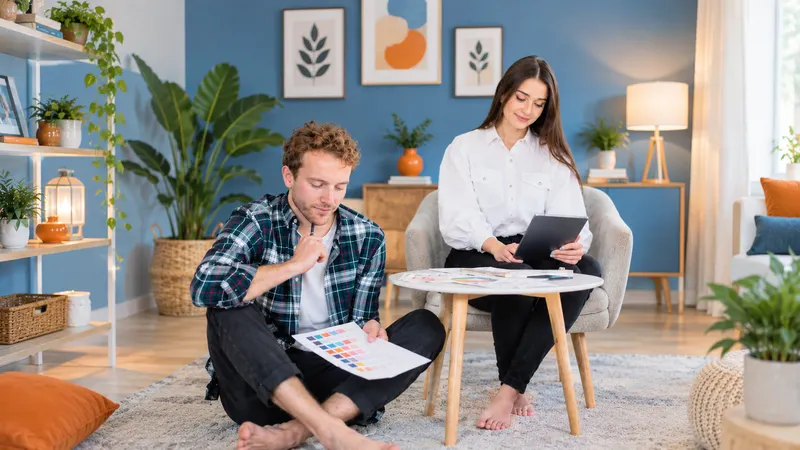
This guide to decoradhouse upgrade tips by decoratoradvice focuses on practical ideas that homeowners can use to refresh their interiors, improve organization, enhance lighting, and create a more comfortable living environment. Current online guides around this topic similarly emphasize planning, low-cost visual improvements, lighting, textiles, color, storage, and finishing details rather than automatically recommending major renovations.
Table of Contents
ToggleWhat Are Decoradhouse Upgrade Tips?
The idea behind decoradhouse upgrade tips by decoratoradvice is simple: improve your home through thoughtful changes instead of replacing everything at once.
A successful upgrade can involve:
- Better lighting
- Fresh wall colors
- Improved furniture placement
- More useful storage
- Updated hardware
- New textiles
- Indoor plants
- Kitchen improvements
- Bathroom refreshes
- Outdoor improvements
- Energy-efficient features
- Personal decorative touches
The goal is to create a home that is attractive while remaining comfortable and practical.
1. Start With a Room-by-Room Assessment
Before buying paint, furniture, or decorations, walk through your home and identify what actually needs improvement.
Ask yourself:
- Which room looks outdated?
- Where is clutter building up?
- Which areas have poor lighting?
- Is there enough storage?
- Which furniture pieces are no longer useful?
- What would make everyday life easier?
Write down your observations and separate them into essential repairs, functional improvements, and decorative changes.
This simple process prevents random spending and gives your project a clear direction.
2. Create a Realistic Upgrade Budget
A home improvement project can become expensive when there is no spending limit. Set your budget before purchasing materials.
Divide your budget into three sections:
Essential Repairs
These may include plumbing problems, electrical issues, water damage, broken fixtures, or other maintenance concerns.
Functional Improvements
These include storage, lighting, furniture, organization, and improvements that make the home easier to use.
Decorative Improvements
Paint, artwork, rugs, cushions, plants, mirrors, and accessories generally belong in this category.
For larger projects, keeping some money aside for unexpected expenses is sensible because existing properties can reveal problems once work begins.
3. Refresh Your Walls With Paint
Fresh paint is one of the simplest ways to transform a room.
Neutral shades such as warm white, beige, cream, and soft gray can create a clean foundation. If you want more personality, consider using one accent wall rather than painting every wall a dramatic color.
Before painting, clean the surface and repair visible cracks or imperfections. Test your chosen color under both daylight and artificial lighting because the appearance can change throughout the day.
4. Upgrade Your Lighting
Lighting has a major influence on how a room feels. A single ceiling light can make a space feel flat, while several light sources can create depth.
Try combining:
- Ambient ceiling lighting
- Table lamps
- Floor lamps
- Task lighting
- Under-cabinet lighting
- Accent lighting
Warm lighting can create a relaxing atmosphere in bedrooms and living rooms, while brighter task lighting is useful in kitchens, offices, and work areas.
Layered lighting is also highlighted by existing DecoratorAdvice material as a practical way to change the atmosphere of a room without completely redesigning it.
5. Rearrange Your Furniture
You do not always need new furniture to make a room feel different.
Try moving your sofa, chairs, tables, and storage pieces to create better walking paths. Avoid blocking windows or doorways, and leave enough open space for comfortable movement.
In a living room, arrange seating so people can easily communicate instead of automatically placing every chair toward the television.
Sometimes a better layout produces a bigger improvement than buying another decorative item.
6. Improve Storage and Organization
Clutter can make even an attractive home feel uncomfortable.
Use practical storage solutions such as:
- Floating shelves
- Storage baskets
- Under-bed containers
- Built-in cabinets
- Entryway hooks
- Storage ottomans
- Drawer organizers
- Tall shelving
Make use of vertical wall space when floor space is limited. Multifunctional furniture can also provide storage while serving another purpose.
The best storage solution is one that makes frequently used items easy to access while keeping unnecessary objects out of sight.
7. Add Texture With Soft Furnishings
If a room feels plain, adding texture can make it warmer and more inviting.
Consider introducing:
- Area rugs
- Curtains
- Cushions
- Throws
- Upholstered furniture
- Woven baskets
- Fabric wall decorations
Instead of using the same material everywhere, combine different textures. For example, a soft rug, wooden furniture, woven basket, and fabric cushions can create visual variety without adding too many colors.
8. Update Small Hardware
Small details can have a surprisingly noticeable effect.
Replace outdated:
- Cabinet handles
- Drawer pulls
- Door handles
- Faucets
- Light-switch plates
- Curtain rods
You do not need to replace an entire kitchen to give cabinets a more modern appearance. New handles combined with fresh paint and improved lighting can create a completely different impression.
Choose finishes that work together rather than mixing too many unrelated styles.
9. Give the Kitchen a Simple Refresh
The kitchen is often one of the busiest rooms in a house, so functionality should come before decoration.
If a complete renovation is not necessary, consider smaller improvements such as repainting cabinets, changing handles, adding under-cabinet lighting, organizing drawers, or replacing an outdated faucet.
Keep frequently used appliances accessible while storing rarely used items elsewhere.
A clean countertop with intentional decorative pieces can also make the kitchen feel more organized.
10. Make the Bathroom Feel Fresh
A bathroom can look considerably better without a complete remodel.
Start with simple changes such as:
- Replacing old towels
- Updating lighting
- Installing a new mirror
- Changing cabinet hardware
- Replacing worn caulk
- Adding practical shelving
- Introducing a suitable plant
For larger projects, flooring, vanity, shower fixtures, and wall finishes can be considered.
Always choose materials appropriate for moisture and regular cleaning.
11. Bring More Natural Elements Indoors
Plants can add color, texture, and a natural feeling to interior spaces.
Choose plants according to available sunlight and your ability to maintain them. If natural plants are difficult to manage, carefully selected artificial greenery can provide a similar decorative effect.
Wooden accessories, woven baskets, natural fabrics, and stone details can also introduce organic textures.
12. Use Mirrors Strategically
Mirrors can make a room appear brighter and more spacious by reflecting available light.
A large mirror opposite or near a window can work particularly well. In narrow hallways, a vertical mirror can also make the area feel more open.
However, avoid covering every wall with mirrors. One well-positioned piece usually creates a more intentional appearance.
13. Improve Your Entryway
The entryway creates the first impression of your home.
Keep it organized with a small bench, hooks, shoe storage, or a narrow console. Add a mirror or simple artwork if space allows.
A clean front door, attractive lighting, updated house numbers, and a few appropriate plants can also improve the exterior entrance.
14. Upgrade Outdoor Areas
Home improvements should not stop at the front door.
A patio, balcony, garden, or backyard can become an extension of your living space.
Consider adding:
- Comfortable outdoor seating
- Planters
- Pathway lighting
- Outdoor rugs
- Privacy screens
- Small garden beds
- Decorative containers
- Outdoor storage
Choose outdoor materials that can withstand the local weather and require a maintenance level you can realistically manage.
15. Consider Energy-Efficient Improvements
Some upgrades can improve comfort while potentially reducing energy consumption.
Depending on your home, consider:
- LED bulbs
- Efficient appliances
- Improved insulation
- Weather sealing
- Energy-efficient windows
- Smart thermostats
- Better ventilation
Before making expensive changes, identify where energy is being wasted. For major upgrades, professional advice can help determine which improvements are suitable for the property.
16. Add Smart Home Features Carefully
Smart technology can make a home more convenient, but it should solve an actual problem.
Useful options can include smart lighting, thermostats, sensors, locks, and security equipment.
Think about compatibility, privacy, cybersecurity, maintenance, and whether the device will genuinely make everyday tasks easier.
Technology should support your lifestyle rather than simply add another gadget to your home.
17. Add Personal Decorations
A beautiful home should still feel personal.
Instead of copying a showroom exactly, display items that have meaning to you. Family photographs, books, artwork, travel memories, handmade objects, and carefully selected collectibles can make a space feel authentic.
Avoid filling every available surface. A smaller number of meaningful objects can have more impact than a room crowded with decorations.
18. Follow a Consistent Color Scheme
A consistent color palette can make separate rooms feel connected.
A simple approach is to choose:
- One primary neutral
- One secondary color
- One accent color
Repeat these colors through cushions, curtains, rugs, artwork, and smaller accessories.
You do not need every item to match exactly. The goal is visual harmony rather than perfect uniformity.
19. Upgrade One Area at a Time
Trying to renovate the whole house simultaneously can become overwhelming.
Instead, finish one space before moving to another.
For example:
Week 1–2: Living room
Week 3: Entryway
Week 4–5: Kitchen
Week 6: Bedroom
Week 7: Bathroom
Week 8: Outdoor space
Your schedule can be adjusted according to the size and complexity of the project.
The important point is to maintain a clear priority list.
20. Avoid Common Upgrade Mistakes
Even good ideas can create disappointing results when they are poorly planned.
Avoid:
- Buying furniture before measuring
- Choosing style over functionality
- Ignoring maintenance problems
- Using too many colors
- Overdecorating small rooms
- Following every short-term trend
- Spending the entire budget immediately
- Starting several unfinished projects
The best home improvements balance appearance, comfort, practicality, and long-term maintenance.
Important Points to Remember
When applying decoradhouse upgrade tips by decoratoradvice, keep these principles in mind:
- Start with a clear plan.
- Fix safety and maintenance problems first.
- Set a realistic budget.
- Improve lighting before adding excessive decoration.
- Measure spaces before buying furniture.
- Use storage to control clutter.
- Choose a simple color palette.
- Mix textures for visual depth.
- Upgrade one room at a time.
- Add personal touches instead of copying trends.
- Consider energy efficiency where practical.
- Keep functionality as important as appearance.
Frequently Asked Questions
What are the main DecoradHouse upgrade tips?
The main ideas include improving lighting, refreshing paint, rearranging furniture, adding storage, updating hardware, using textiles, improving outdoor areas, and adding personal decorative touches.
Can I upgrade my home without a large budget?
Yes. Painting, decluttering, rearranging furniture, replacing hardware, improving lighting, and adding carefully selected accessories can create noticeable changes without a complete renovation.
Which room should I upgrade first?
Start with the room that you use most frequently or the space with the biggest functional problem. This allows you to see the benefits of your investment quickly.
Is lighting really important for home design?
Yes. Lighting affects visibility, atmosphere, color perception, and the overall feeling of a room. Combining multiple light sources can create more depth than relying on one fixture.
Should I decorate before fixing repairs?
Generally, important repairs and maintenance should come first. Decorating a room before fixing leaks, electrical problems, damaged surfaces, or other issues can result in wasted time and money.
Final Thoughts
A successful home transformation does not have to involve a massive renovation. Small, intentional improvements can make a home more comfortable, organized, attractive, and functional.
The most useful decoradhouse upgrade tips by decoratoradvice are ultimately about making smart decisions: understand your space, establish priorities, set a budget, improve function, and then add style. Current guidance on this topic also emphasizes assessing each room, prioritizing high-impact changes, improving lighting and textiles, and finishing with carefully selected decorative details.
Start with one room, complete the most important improvements, and then move to the next. With patience and thoughtful planning, even modest changes can give your home a noticeably fresher and more personalized appearance. Click here see more details.