
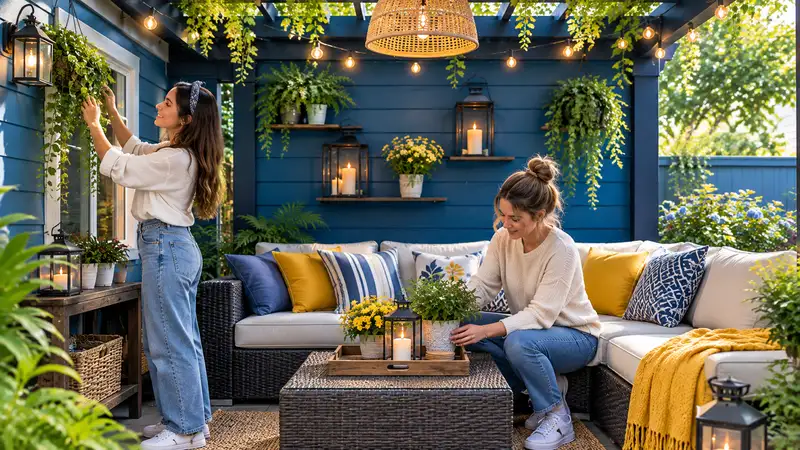
A patio can be much more than an empty outdoor area beside your home. With the right planning, materials, furniture, lighting, and greenery, it can become a comfortable extension of your living space. Whether your patio looks outdated, feels uncomfortable, or simply needs a fresh appearance, a thoughtful renovation can make a noticeable difference.
If you are wondering how to renovate my patio decoradhouse, the best approach is to start with the existing condition of the space and then decide which improvements will provide the most value. A successful patio renovation does not always require a complete rebuild. Cleaning, repairing, rearranging, painting, adding shade, and introducing attractive plants can sometimes create a completely different atmosphere.
Start With a Patio Inspection
Before buying new furniture or decorative items, inspect the entire patio. Look carefully at the flooring, walls, steps, drainage, railings, furniture, lighting, and surrounding landscaping.
Check whether the surface has cracks, stains, loose pavers, weeds, or uneven sections. Water should also drain away properly instead of collecting near the house. Poor drainage can create long-term problems, so it is better to identify it before adding new decorative features.
Also consider how you currently use the patio. Is it mainly for relaxing, eating, entertaining guests, gardening, or spending time with family? Your answer should guide the renovation.
A patio designed for dining may need a table and comfortable chairs, while a relaxation-focused space may benefit more from lounge seating, cushions, shade, and soft lighting. Planning around your lifestyle makes the finished space more useful.
Create a Realistic Renovation Budget
One of the most important parts of how to renovate my patio decoradhouse is setting a realistic budget before beginning.
Make a list of everything you want to improve and divide the project into priorities. Structural repairs, drainage, damaged surfaces, and unsafe areas should come before decorative upgrades.
For example, your budget could include:
| Patio Upgrade | Priority |
|---|---|
| Surface repairs | High |
| Drainage improvements | High |
| Outdoor furniture | Medium |
| Lighting | Medium |
| Plants and planters | Medium |
| Decorative accessories | Low |
| Shade structure | Medium to High |
You do not have to complete every improvement at once. A phased renovation can be easier to manage financially. Start with the most important repairs and gradually add furniture, plants, lighting, and accessories.
Getting several quotes for major work can also help you understand realistic costs and avoid spending too much on one part of the project.
Refresh or Replace the Patio Flooring
The floor has a major influence on the overall appearance of a patio. If the existing surface is structurally sound, cleaning and repairing it may be enough.
Concrete patios can sometimes be refreshed through thorough cleaning and suitable surface treatments. Pavers can be cleaned, leveled, and have damaged pieces replaced. Brick and natural stone can also benefit from careful cleaning and maintenance.
If you are replacing the flooring completely, consider materials such as:
- Concrete
- Brick
- Natural stone
- Pavers
- Gravel
Each material has different costs, maintenance requirements, textures, and visual characteristics. Choose something that works with your home’s exterior rather than selecting a material based only on appearance.
Drainage should also be considered whenever flooring is replaced. A patio should direct water away from the house to reduce the risk of water collecting around the foundation.
Choose Comfortable Outdoor Furniture
Furniture can transform an ordinary patio into an outdoor living room. When deciding how to renovate my patio decoradhouse, think about comfort and practicality rather than simply filling the space with furniture.
Start with the main purpose of the patio. A small seating arrangement might include two chairs and a compact table, while a larger patio could accommodate a sofa, chairs, and an outdoor dining table.
Choose outdoor furniture designed to handle weather conditions in your area. Cushions should be suitable for outdoor use, and furniture should be positioned so there is enough space for people to walk comfortably.
Avoid overcrowding. Leaving some open floor space makes the patio look larger and allows easier movement.
An outdoor rug can also visually define a seating area and add warmth without requiring major construction.
Add Shade for Better Comfort
A beautiful patio can become difficult to enjoy when there is too much direct sunlight. Adding shade can make the space more comfortable during warmer parts of the day.
Depending on your patio, consider:
- A large outdoor umbrella
- A pergola
- A retractable shade
- A covered seating area
- Outdoor curtains
The best option depends on your patio’s size, architecture, weather, and budget. A shade structure can also help visually define the patio as a separate outdoor room.
Improve Patio Lighting
Good lighting makes a patio more attractive after sunset while helping define different areas.
Instead of using one very bright light, consider combining several softer sources. String lights can create a relaxed atmosphere, while wall lights can provide useful illumination near doors. Path lights can highlight walkways, and subtle accent lighting can draw attention to plants or architectural features.
Solar-powered lights may be useful for certain garden areas, while energy-efficient LED fixtures can provide practical long-term lighting.
Lighting should support the patio’s purpose. A dining area may need clearer illumination, while a lounge area can use softer ambient lighting.
Bring in Plants and Greenery
Plants are one of the easiest ways to make a renovated patio feel fresh and welcoming. They can soften hard surfaces and connect the patio with the surrounding garden.
Use a combination of pots, planters, hanging baskets, and nearby garden beds. Select plants according to the amount of sunlight, available space, and local growing conditions.
For a small patio, vertical planting can save valuable floor space. Taller planters can also create visual separation between different sections.
You can place plants around the edges rather than filling the center of the patio. This keeps the main walking and seating areas open while still providing plenty of greenery.
Add Privacy Without Making the Patio Feel Closed
Privacy can make an outdoor space much more comfortable. If the patio is visible from neighboring properties, consider adding plants, trellises, screens, or a suitable fence.
Climbing plants can soften a trellis, while tall container plants can create smaller privacy zones. A hedge can also provide a natural boundary if there is enough space.
Avoid completely blocking the patio unless privacy is your main priority. A partially open design can provide privacy while keeping the area bright and connected to the garden.
Create Separate Patio Zones
A large patio becomes easier to use when it has clearly defined areas. Instead of placing everything randomly, create zones based on activities.
For example:
Relaxation zone: Sofa, lounge chairs, cushions, and a small table.
Dining zone: Outdoor table and chairs positioned close to the house or kitchen.
Greenery zone: Planters, flowers, and decorative garden features.
Lighting zone: Accent lights around seating, paths, or plants.
This approach makes the patio feel organized without requiring walls or permanent construction. Outdoor rugs, furniture arrangements, planters, and lighting can visually separate areas.
Add Simple Decorative Details
Small accessories can give the renovated patio personality. Consider outdoor cushions, planters, lantern-style lights, decorative pots, weather-resistant artwork, or a simple centerpiece for the table.
Keep the color palette coordinated with your home’s exterior. Two or three complementary colors are usually enough to create a clean appearance.
For example, neutral furniture can be combined with green plants and small touches of blue, yellow, or another accent color. The goal is to create an attractive space without making it visually crowded.
Make Maintenance Part of the Design
A patio renovation should be beautiful but also easy to maintain. Before adding features, think about how much time you are willing to spend cleaning and caring for the space.
Sweep the surface regularly and remove leaves, dirt, and debris. Keep weeds from spreading between pavers and check outdoor furniture for signs of weather damage.
Depending on the material, some patio surfaces may benefit from periodic sealing. Outdoor cushions should be cleaned according to their material, while plants need regular watering, pruning, and seasonal care.
Regular maintenance can help preserve both appearance and functionality.
Consider Sustainable Patio Improvements
A renovation can also make the outdoor space more environmentally responsible. Choose durable materials that will not need frequent replacement, use plants suited to your local climate, and consider efficient lighting.
Permeable surfaces can sometimes help manage rainwater, depending on the site and local conditions. Container gardening can also provide greenery without requiring major landscaping changes.
If you are planning new electrical, drainage, or permanent structures, consult the appropriate professional and check local requirements before construction.
Common Patio Renovation Mistakes to Avoid
When considering how to renovate my patio decoradhouse, avoiding mistakes is just as important as choosing attractive features.
1. Starting Without a Plan
Buying furniture and accessories before measuring the space can result in an overcrowded patio.
2. Ignoring Drainage
Water problems should be addressed before decorative improvements are installed.
3. Choosing Furniture That Is Too Large
Large furniture can make a small patio feel cramped.
4. Using Too Many Colors
A simple, coordinated palette usually creates a more polished appearance.
5. Forgetting Maintenance
Choose materials, furniture, and plants that fit the amount of maintenance you can realistically handle.
6. Focusing Only on Appearance
A patio should be comfortable and functional as well as attractive.
A Simple Patio Renovation Checklist
Use this checklist before starting your project:
- Inspect the existing patio
- Measure the available space
- Decide how you will use the area
- Set a renovation budget
- Repair damaged surfaces
- Check drainage
- Choose suitable flooring
- Select comfortable outdoor furniture
- Add shade where necessary
- Improve outdoor lighting
- Introduce plants and greenery
- Create functional zones
- Add privacy features
- Choose simple decorative accessories
- Plan regular maintenance
Frequently Asked Questions
How much should I renovate at one time?
You do not have to renovate the entire patio in one project. Start with structural repairs and gradually add furniture, lighting, plants, and decorative improvements.
What is the easiest patio upgrade?
Cleaning, rearranging furniture, adding plants, improving lighting, and introducing outdoor textiles can create a noticeable change without major construction.
What flooring is best for a patio?
There is no single best material for every home. Concrete, brick, natural stone, pavers, and gravel can all work depending on budget, climate, style, drainage, and maintenance needs.
How can I make a small patio look better?
Use appropriately sized furniture, keep the center open, add vertical greenery, use a simple color palette, and create one clear focal point.
Should I hire a professional?
Professional help is worthwhile for structural repairs, major drainage work, electrical installations, extensive flooring projects, or other work that requires specialist knowledge or permits.
Final Thoughts
Learning how to renovate my patio decoradhouse does not mean you need to completely rebuild your outdoor space. A successful renovation starts with understanding how the patio is used and identifying the changes that will make the biggest difference.
Repair damaged surfaces first, then improve the layout with comfortable furniture, suitable shade, attractive lighting, greenery, and carefully selected accessories. Keep the design simple, functional, and connected to the style of your home.
Most importantly, plan before spending. A well-organized patio can become a comfortable outdoor extension of your home, giving you a welcoming place to relax, dine, entertain, and enjoy the garden throughout the year. With regular maintenance and thoughtful upgrades, even an ordinary patio can become one of the most enjoyable areas of the home. Click here see more details.