
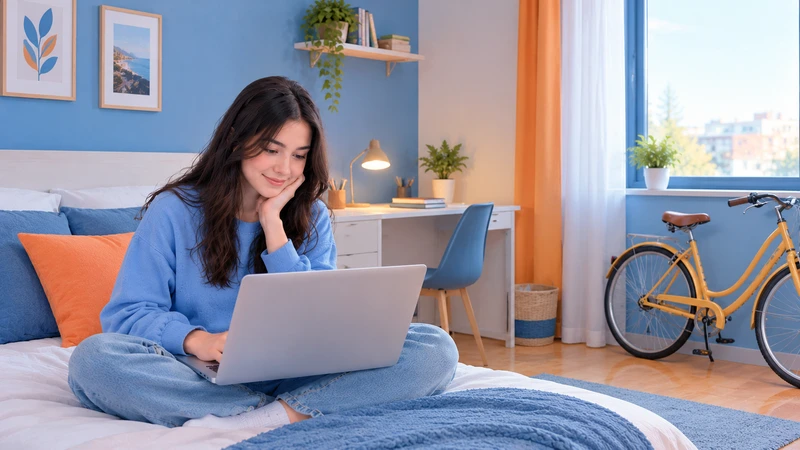
The latest decoratoradvice .com topic provides an opportunity to explore different approaches to interior styling, outdoor decoration, room organization, and everyday home improvement. Whether you want to update an older room, create a more welcoming bedroom, or make better use of a garden, a little planning can help you achieve a balanced result.
Home design does not have to follow expensive trends. It should reflect your preferences, available space, and daily routine. This article covers useful ideas for different parts of a property, along with planning suggestions, decorating mistakes to avoid, and simple ways to keep your surroundings looking fresh.
Start With a Clear Home Design Vision
Before purchasing furniture or changing wall colors, take time to understand what your home needs. Walk through each room and notice which areas feel uncomfortable, poorly arranged, or difficult to maintain.
You may discover that the living room needs better seating, the kitchen lacks organized storage, or the bedroom would benefit from softer lighting. Write down these observations and decide which improvements deserve attention first.
It is also useful to collect a few design references. Photographs, color samples, and furniture examples can help you identify a consistent direction. However, choose ideas that suit your actual space rather than copying an entire room from a photograph.
A clear plan helps prevent unnecessary purchases and gives each improvement a practical purpose.
Give Your Living Room a Fresh Appearance
The living room is an important shared area where people relax, read, entertain guests, and spend time together. Its arrangement should feel comfortable without making movement difficult.
Start with the main furniture. Position the sofa and chairs so that people can communicate easily. Leave enough room between larger pieces, and avoid blocking doors or walking paths.
A coffee table can provide a useful surface, while a small side table may hold a lamp or everyday accessories. If the room has limited floor space, choose furniture with a simple design and suitable dimensions.
Introduce Decoration Through Small Details
You do not need to fill every corner with accessories. A few carefully selected items can create a more coordinated appearance.
Consider adding:
- Cushions in colors that complement the sofa.
- A rug that helps define the seating area.
- Framed artwork that suits the room’s theme.
- Curtains that work with the wall color.
- A small plant for a natural decorative touch.
Try to maintain a visual connection between these elements. Repeating one or two colors across different accessories can help the room feel coordinated.
Select a Color Scheme That Fits Your Space
Color can influence the overall feeling of an interior. Some shades create a soft and relaxed appearance, while others introduce energy and contrast.
The best choice depends on room size, natural light, existing furniture, and personal taste. A small room with limited daylight may benefit from lighter wall colors, while a larger space can accommodate stronger shades.
Here are a few combinations worth considering:
| Color combination | Suitable style | Where to use it |
|---|---|---|
| Cream and light blue | Calm and airy | Bedrooms and living rooms |
| White and soft grey | Simple and modern | Kitchens and hallways |
| Navy and warm beige | Balanced and elegant | Living areas |
| Sage green and cream | Natural and relaxed | Bedrooms and reading corners |
| Terracotta and white | Warm and welcoming | Dining areas and patios |
Before committing to a full paint job, test a sample on a small section of the wall. Check its appearance in daylight and after the room lights are switched on.
Make Better Use of Kitchen Space
A practical kitchen should make cooking, cleaning, and storing everyday items straightforward. Its appearance matters, but the layout should always support the activities performed there.
Begin by reviewing your cupboards and work surfaces. Group similar items together and keep frequently used utensils in convenient locations. Store occasional-use equipment separately so that countertops remain available for food preparation.
Simple Kitchen Updates
A few changes can make a kitchen easier to use:
- Add dividers to drawers for organized utensil storage.
- Arrange dishes according to how frequently they are used.
- Use suitable shelves for items that need to remain accessible.
- Improve lighting above work surfaces.
- Select easy-to-clean materials for frequently used areas.
- Keep the countertop clear of unnecessary objects.
You can also update the room’s appearance with new cabinet handles, a coordinated backsplash, or simple decorative containers. Check measurements and material compatibility before buying replacement fittings.
Design a Bedroom That Feels Relaxing
A bedroom should provide a comfortable setting for rest and personal activities. Its design can remain attractive without including too many decorative features.
Start by arranging the bed in a position that leaves convenient access around it. Choose bedding that complements the room’s existing colors, and use bedside tables only where they are useful.
Lighting deserves particular attention. A ceiling fixture can provide general illumination, while a bedside lamp offers a softer option for reading. Curtains should provide the required privacy and suit the room’s overall appearance.
Make Small Bedrooms More Practical
Limited space does not mean you must sacrifice comfort. Consider a bed with built-in storage or a compact wardrobe with an efficient internal layout.
Wall shelves can provide room for books and selected accessories without occupying valuable floor space. Mirrors may also help distribute available light and create a more open visual effect.
Keep the floor area as clear as possible. A simple arrangement often makes a compact bedroom easier to maintain.
Bring New Life to Gardens and Outdoor Areas
Outdoor spaces deserve the same planning as indoor rooms. A balcony, patio, or garden can become a useful place for relaxing, enjoying fresh air, or spending time with family.
First, identify the purpose of the area. A small balcony might work best as a compact seating corner, while a larger garden could include plants, pathways, and a separate place to sit.
Measure the available area before selecting furniture or planters. Leave enough room for comfortable movement and make sure that outdoor items can handle the local weather.
Choose Plants According to Their Needs
Plants can introduce natural color and texture to an outdoor setting. However, different varieties require different amounts of sunlight, water, and care.
Check the growing conditions before choosing flowers, shrubs, or decorative greenery. For limited spaces, containers can be a convenient option because they allow plants to be arranged or moved when necessary.
Group plants according to their care requirements. This can make watering and maintenance easier.
Arrange a Comfortable Patio
A patio does not need many furnishings to become useful. A suitable chair, a small outdoor table, and a few well-placed plants may be enough for a compact area.
For larger patios, consider creating separate sections for seating and gardening. Outdoor rugs and weather-appropriate cushions can add character, provided they are easy to clean and store.
Keep pathways clear and avoid placing furniture where it could obstruct entrances.
Add Gentle Outdoor Lighting
Lighting can make an outdoor area more practical during the evening. Solar garden lights, suitable wall fixtures, and pathway lamps are options to consider.
Choose lighting according to the size and purpose of the space. For electrical installations, use weather-appropriate equipment and seek qualified assistance where required.
Use Storage to Reduce Everyday Clutter
An organized home is easier to clean and more comfortable to use. Storage should make belongings accessible rather than simply moving clutter from one place to another.
Start by sorting household items into groups. Keep frequently used belongings within easy reach and store seasonal or occasional-use items separately.
Different storage solutions can serve different purposes:
- Baskets can hold blankets, toys, or smaller household items.
- Drawer dividers can separate accessories and utensils.
- Wall shelves can use available vertical space.
- Storage boxes can organize seasonal belongings.
- Multi-purpose benches can provide both seating and storage.
Choose storage products that fit the room and are easy to maintain. Avoid adding more containers than the available space can accommodate.
The latest decoratoradvice .com inspiration can be useful when exploring ways to combine organization with attractive room arrangements. The most effective solution is one that makes daily routines easier while keeping the space visually balanced.
Home Improvement Projects for Different Areas
Not every home improvement project needs to involve major construction. Small updates can improve how a room looks and functions.
The following examples offer a starting point:
| Area | Improvement idea | Practical result |
|---|---|---|
| Living room | Change the seating arrangement | More convenient movement |
| Kitchen | Organize cabinets and drawers | Easier access to supplies |
| Bedroom | Add suitable bedside lighting | More flexible illumination |
| Bathroom | Replace worn accessories | A refreshed appearance |
| Patio | Arrange weather-resistant seating | Better outdoor use |
| Garden | Create organized planting sections | Easier garden care |
| Entrance | Add hooks and a shoe organizer | A tidier entryway |
Before starting work, consider the condition of the property and the materials involved. Repairs involving electrical wiring, plumbing, or structural components should be assessed by qualified professionals.
Plan Your Budget Before Making Changes
A decorating project can become expensive when purchases are made without a clear spending limit. Preparing a budget helps you decide which improvements are most important.
Begin by listing the work you want to complete. Separate essential repairs from optional decorative updates. Estimate the cost of materials, furniture, tools, and professional services.
Compare several options before choosing products. Look at durability, maintenance requirements, dimensions, and quality rather than focusing only on the purchase price.
It can also help to complete projects in stages. For example, you might organize the living room first and update the bedroom later. This approach makes spending easier to manage and gives you time to evaluate each change.
Common Decorating Problems and How to Avoid Them
A room may not look as expected when important details are overlooked. Understanding common design problems can help you make better decisions.
Purchasing oversized furniture: Large pieces can restrict movement and make rooms feel crowded. Measure the available space and check furniture dimensions before ordering.
Mixing too many colors: Using several unrelated shades may create an unbalanced appearance. Choose a main color and a small selection of complementary accents.
Ignoring everyday comfort: A decorative chair or table may look attractive but prove inconvenient to use. Consider comfort and functionality before purchasing furniture.
Blocking natural light: Heavy curtains or poorly positioned furniture can reduce the amount of daylight entering a room. Review window arrangements when planning the layout.
Choosing unsuitable materials: Some products may not be appropriate for kitchens, bathrooms, or outdoor areas. Check cleaning requirements, durability, and environmental suitability.
Spending without priorities: Buying accessories before addressing necessary repairs can lead to wasted money. Complete important maintenance first.
Maintain Your Home After Decorating
Once improvements are complete, regular care can help preserve the appearance and usefulness of each room.
Clean surfaces according to their material requirements and follow care instructions for curtains, rugs, and furniture. Check shelves, handles, and other fittings periodically to identify maintenance needs.
Outdoor spaces also require attention. Remove dry leaves, care for plants according to their needs, and store cushions or other movable accessories when weather conditions make it necessary.
You can refresh your surroundings without beginning another large project. Changing a few cushion covers, moving a decorative item, or introducing seasonal plants can give a room a different appearance.
The latest decoratoradvice .com approach can be treated as a source of inspiration, but long-term results depend on selecting improvements that suit your home and maintaining them properly.
Frequently Asked Questions
1. What Types of Home Ideas Can I Explore?
You can explore room layouts, color combinations, furniture arrangements, storage solutions, garden improvements, and renovation planning. Select ideas that match your property’s layout and your everyday requirements.
2. How Can I Update a Room Without Spending Too Much?
Rearrange existing furniture, organize visible clutter, refresh selected accessories, and improve lighting where necessary. Reusing suitable items can also reduce the cost of decorating.
3. What Should I Consider Before Choosing Wall Colors?
Think about the room’s size, natural light, existing furniture, and the atmosphere you want to create. Test paint samples before covering an entire wall.
4. How Can I Make a Small Garden Look Organized?
Choose plants that suit the available conditions, use appropriately sized containers, and maintain clear pathways. A simple arrangement can make a limited outdoor area easier to enjoy.
5. How Often Should I Refresh My Home Decoration?
There is no fixed schedule. Make changes when something becomes worn, stops meeting your needs, or requires improvement. Small seasonal updates can be enough to keep a space feeling fresh.
6. What Is the First Step in a Home Renovation?
Inspect the area and identify the work that needs attention. Then measure the space, establish a budget, compare suitable materials, and decide whether professional help is required.
7. Can Good Storage Improve Interior Design?
Yes. Suitable storage reduces visible clutter and makes rooms easier to manage. Shelves, baskets, drawer organizers, and multi-purpose furniture can help create a more organized environment.
Final Thoughts
A comfortable home is not defined by expensive furniture or complicated decoration. It comes from understanding how each area is used and choosing improvements that make everyday life more convenient.
From refreshing a living room and organizing a kitchen to improving bedroom comfort and creating a welcoming garden, small decisions can gradually transform a property. Planning your budget, measuring available space, and selecting suitable materials will also help you avoid unnecessary problems.
The latest decoratoradvice .com subject offers a starting point for discovering home styling and improvement possibilities. Use these ideas as inspiration, adapt them to your own surroundings, and focus on changes that provide lasting value. With thoughtful planning and regular care, every part of your home can become more practical, welcoming, and enjoyable. Click here see more details.