
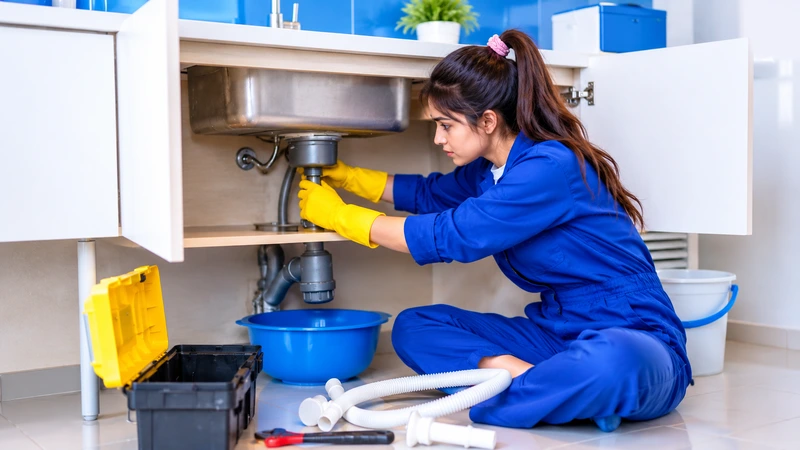
It is a cold January night. You come downstairs for a glass of water and hear it before you see it: a hiss from somewhere behind the basement wall, then the sound of water running where no tap is open. What happens in the next ten minutes decides whether this is an annoying repair or an insurance claim. And the single most useful thing you can do about it happens long before that night, on an ordinary afternoon when nothing is wrong.
Find Your Main Shut-Off Now
Ask a room full of homeowners where their main water shut-off is and a surprising number will guess. In most Canadian houses it sits where the water line enters the building, usually in the basement on the wall facing the street, often near the water meter. In some homes it is tucked behind a panel in a finished ceiling, inside a closet, or under the stairs. Go and find it.
Then do three things:
-
Check that it turns. Older valves, especially round-handled gate valves, can seize after years of not being touched. If it will not move with firm hand pressure, do not force it with a wrench. A snapped valve stem creates the very emergency you are trying to prepare for. Have it replaced instead.
-
Label it. A bright tag that says MAIN WATER SHUT-OFF helps a babysitter, a house guest, or you at 2 a.m. with no glasses on.
-
Show everyone in the house. Teenagers included.
While you are at it, check the small shut-offs under sinks and behind toilets. These let you isolate one fixture without cutting water to the whole house.
The First Ten Minutes of a Burst Pipe
When water is actively escaping, work through this in order.
Shut off the main. Everything else comes second. If you cannot reach it or it will not turn, some municipalities can shut water at the curb stop, so keep your water utility’s after-hours number somewhere you can find it.
Turn off electricity to wet areas, if it is safe. If water is near outlets, a furnace, or the electrical panel, and you would have to stand in water to reach the breaker, do not. Stay out and call for help.
Open the lowest tap in the house. A basement laundry sink or an outdoor tap drains what is left in the pipes and takes pressure off the damaged section.
Shut off the water heater. On a gas unit, turn the control to pilot or off. On an electric one, switch off its breaker. A heater running with no water coming in can be damaged.
Photograph everything before you start cleaning. Insurers will ask. Then move valuables, start removing standing water, and get air moving. Drywall, carpet underlay and insulation that stay wet for more than a day or two are prime ground for mould.
A professional who does emergency leak repair will usually want to know where the water is coming from, roughly how much has escaped, and whether the main is now off, so have those answers ready when you call.
Why Pipes Burst in Winter
Frozen water expands. That much most people know. What is less obvious is that the split often is not at the spot where the ice formed. Ice forms a plug, the pressure builds in the section between that plug and a closed tap, and the pipe gives way at its weakest point. That is why a burst can appear some distance from the cold spot.
The usual suspects are pipes in exterior walls, unheated crawl spaces, garages, and anywhere insulation has been disturbed. Outdoor hose bibs are a classic, especially when a hose was left attached in fall and trapped water inside the valve.
A few habits reduce the risk a lot:
-
Shut off and drain outdoor taps before the first hard frost, and disconnect hoses.
-
On very cold nights, open cabinet doors under sinks on exterior walls so warm room air reaches the pipes.
-
Let a vulnerable tap run at a slow trickle during a deep cold snap. Moving water is much harder to freeze.
-
Never set the thermostat very low when you go away in winter, and ask someone to check the house if you are gone more than a couple of days.
The Quieter Problem: Leaks You Cannot See
Burst pipes are dramatic. Slow leaks inside walls and under floors do more damage overall, because they run for weeks or months before anyone notices.
Learn the signs:
-
A water bill that creeps up with no change in how the household uses water.
-
The meter moving when nothing is running. Turn off every tap and appliance, note the reading or watch the small leak indicator dial, and check again in an hour. If it moved, water is going somewhere.
-
Paint that bubbles or peels, or drywall that feels soft when pressed.
-
Brown rings on a ceiling below a bathroom.
-
A musty smell in one particular room or cupboard that does not go away with airing out.
-
Warm patches on a floor over a slab, which can point to a hot water line leaking underneath.
-
Loose tiles or grout that keeps cracking around a tub or shower.
Toilets are worth testing separately, since a silent leak from tank to bowl can waste a lot of water without making a sound. A few drops of food colouring in the tank, left for twenty minutes without flushing, will tell you. Colour in the bowl means the flapper is leaking.
What You Can Handle, and What You Should Not
Tightening a dripping compression nut under a sink, replacing a supply hose that has started to bulge, or swapping a toilet flapper are reasonable homeowner jobs. So is wrapping a small pinhole leak with a repair clamp as a temporary measure until it can be fixed properly.
Opening walls to chase a hidden leak is different. Finding the source often takes some detective work, and cutting in the wrong place means patching drywall twice. Anything involving soldering, gas lines near the leak, or water near electrical equipment belongs with a professional.
If you are not sure whether a damp patch is a plumbing leak, a roof issue or condensation, a local Ajax plumber or one in your own area can usually tell you within one visit, which saves opening the wrong wall.
Ten Minutes This Weekend
None of this needs special tools. Find the main shut-off and make sure it turns. Show the household. Test the toilets with food colouring. Read the water meter before bed and again in the morning. Drain the outdoor taps if winter is coming.
That is the whole job. It will not stop every leak, but it means that if you ever do hear that hiss behind the wall, you will know exactly where to go and what to turn. Click here see more details.