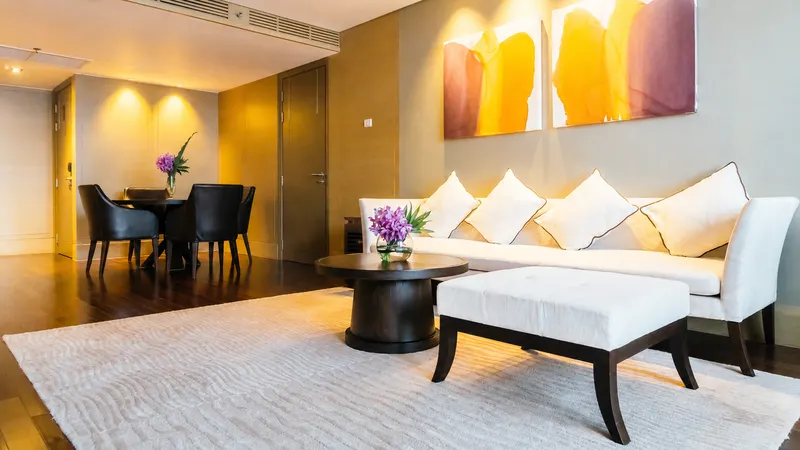
Creating a beautiful home does not always require expensive furniture, major renovations, or a professional interior designer. With the right decor tips decoradhouse, thoughtful planning, and a clear understanding of your personal style, we can transform ordinary rooms into comfortable and attractive spaces. At DecoradHouse, the focus is on practical decorating ideas that make every part of a home feel more welcoming, functional, and visually balanced.
Whether we are decorating a living room, bedroom, kitchen, dining area, hallway, or outdoor space, small improvements can make a noticeable difference. The key is to combine colors, furniture, lighting, textures, and decorative accessories in a way that works naturally with the space.
What Are the Best decor tips decoradhouse for a Beautiful Home?
The best decorating approach starts with understanding the room rather than immediately buying new items. We should consider the room’s size, natural light, existing furniture, color palette, and purpose before making decorating decisions.
A successful interior usually has a balance between style and functionality. A room may look attractive in photographs, but if the furniture makes movement difficult or there is not enough storage, the design will not work well in everyday life.
Here are some practical principles we can use:
| Decor Tip | How It Helps | Best For |
|---|---|---|
| Choose a consistent color palette | Creates visual harmony | Every room |
| Improve lighting | Makes spaces brighter and warmer | Living rooms, bedrooms |
| Add plants | Brings freshness and natural character | Indoor spaces |
| Use wall art | Adds personality and interest | Living rooms, hallways |
| Layer textures | Creates depth and comfort | Bedrooms, lounges |
| Declutter regularly | Makes rooms feel larger | Small homes |
| Use mirrors strategically | Reflects light and creates openness | Small rooms |
| Add functional storage | Keeps spaces organized | Kitchens, bedrooms |
| Mix old and new pieces | Creates a unique appearance | Entire home |
| Focus on proportions | Prevents furniture from overwhelming a room | Large and small rooms |
1. Start With a Clear Decorating Style
Before purchasing anything, we should determine the general style we want to create. A home can be modern, traditional, minimalist, rustic, Scandinavian, industrial, contemporary, or a combination of several styles.
Choosing a direction helps prevent random purchases that do not work together.
For example, a modern room may benefit from clean furniture, simple artwork, neutral colors, and uncluttered surfaces. A rustic interior can use natural wood, warm fabrics, earthy colors, and handmade accessories.
We do not have to follow one design style perfectly. Combining different influences can make a home feel more personal as long as the colors, materials, and proportions remain balanced.
2. Choose a Practical Color Palette
Color is one of the easiest ways to change the atmosphere of a room. Instead of selecting many unrelated colors, we can create a simple palette consisting of a dominant color, supporting shades, and one or two accent colors.
Neutral colors such as white, beige, cream, gray, and soft brown can provide a flexible foundation. Accent colors can then be introduced through cushions, curtains, artwork, rugs, lamps, or decorative objects.
For smaller rooms, lighter shades can help the space feel open and airy. In larger rooms, deeper tones can add warmth and character.
The goal is not to follow a particular color trend but to create a combination that remains comfortable and visually pleasing over time.
3. Make Lighting Part of the Decor
Lighting should never be treated as an afterthought. Even beautifully decorated rooms can feel dull if they have poor lighting.
We can use several layers of lighting to create a more flexible environment:
- Ambient lighting provides general illumination.
- Task lighting supports activities such as reading or working.
- Accent lighting highlights artwork, furniture, shelves, or architectural features.
Table lamps, floor lamps, pendant lights, wall lights, and strategically placed fixtures can all contribute to the overall design.
Natural light is equally important. Keeping windows relatively clear and using suitable curtains can help maximize daylight during the day.
4. Use Plants to Bring Natural Character Indoors
Indoor plants can add color, texture, and a natural feeling to almost any room. We can place plants on shelves, side tables, windowsills, or floor-level corners depending on the available space.
For homes where maintaining live plants is difficult, low-maintenance varieties can be considered. Even a few carefully positioned plants can make a room feel more lively without requiring a complete redesign.
The important point is to avoid filling every available surface. Plants work best when they complement the room rather than become visual clutter.
5. Decorate Walls With Purpose
Empty walls can make a room feel unfinished, but filling every wall with decorations can create the opposite problem.
We can use artwork, framed photographs, mirrors, shelves, wall clocks, or carefully arranged decorative pieces to create focal points.
A large piece of artwork can work well above a sofa or bed, while a collection of smaller frames can create a gallery-style arrangement.
When hanging wall decor, we should consider scale. A tiny frame on a large empty wall may look disconnected, while an oversized piece can dominate a small room.
6. Use Mirrors to Improve the Sense of Space
Mirrors are both decorative and functional. When positioned thoughtfully, they can reflect natural or artificial light and make a room appear more open.
A mirror placed opposite a window can help distribute daylight throughout the room. In narrow hallways or compact bedrooms, mirrors can also create a stronger sense of depth.
However, placement matters. Instead of adding mirrors randomly, we should consider what they reflect because an attractive reflection can become part of the room’s overall design.
7. Add Texture for More Depth
A room decorated with only smooth and similar materials can sometimes feel flat. Adding different textures creates visual depth and makes the space more comfortable.
We can combine materials such as:
- Cotton
- Linen
- Wool
- Wood
- Glass
- Metal
- Ceramic
- Woven fabrics
- Natural fibers
A soft rug, textured cushions, woven basket, wooden furniture, or fabric curtains can introduce subtle variation without changing the entire room.
Texture is particularly useful in neutral interiors because it prevents simple color schemes from becoming boring.
8. Keep Furniture Proportional to the Room
Furniture should match the scale of the space. A large sectional sofa may be comfortable, but it can make a small living room difficult to navigate.
Before purchasing furniture, we should measure the available area and consider walking paths, doors, windows, and other fixed features.
In compact spaces, multifunctional furniture can be especially useful. Storage ottomans, nesting tables, shelving units, and furniture with built-in storage can help maximize available space.
In larger rooms, we can create separate zones for conversation, reading, entertainment, or work instead of leaving large areas unused.
9. Create a Comfortable and Organized Living Room
The living room is often one of the most frequently used spaces in a home, so comfort should be a major consideration.
We can begin with the main seating arrangement and then build the decoration around it. A rug can help visually connect furniture, while cushions and throws can introduce color and texture.
A coffee table should provide enough usable surface without blocking movement. Side tables and lamps can improve functionality while also contributing to the overall design.
Decorative accessories should be selected carefully. A few meaningful objects generally create a stronger impression than a large collection of unrelated decorations.
10. Make the Bedroom Feel Calm
A bedroom should support relaxation and comfort. Soft colors, comfortable textiles, appropriate lighting, and limited clutter can contribute to a peaceful environment.
We can use bedding, cushions, curtains, rugs, and lamps to build a coordinated look.
Bedside tables should remain practical rather than becoming storage areas for unnecessary objects. Keeping the bedroom organized can make the space feel more relaxing at the end of the day.
11. Improve Small Spaces With Smart Decor
Small rooms require careful planning, but limited space does not mean limited style.
We can use light colors, mirrors, vertical shelving, multifunctional furniture, and open floor areas to make compact rooms feel more spacious.
Using the walls effectively is particularly helpful. Tall shelving can provide storage without consuming as much floor space as larger cabinets.
Another useful approach is to keep decorative accessories proportional to the room. A smaller number of well-selected pieces can make a stronger visual impact.
12. Avoid Common Decorating Mistakes
Even good decorating ideas can fail when they are applied without considering the room.
Some common mistakes include:
Using too many colors: A room can quickly feel chaotic when several unrelated colors compete for attention.
Ignoring lighting: Beautiful furniture and decor cannot compensate for poor illumination.
Buying furniture without measuring: Oversized pieces can create practical problems.
Overdecorating: Too many accessories can make rooms appear crowded.
Following every trend: Trends change, but a well-designed home should reflect the people who live there.
Ignoring storage: A stylish room still needs practical places for everyday belongings.
Avoiding these mistakes can make decorating more efficient and less expensive.
DecoradHouse Approach to Home Decorating
The decor tips decoradhouse approach can be built around a simple principle: good home decor should combine beauty, comfort, organization, and practicality.
Instead of completely redesigning a room, we can make gradual improvements. Changing lighting, adding a rug, rearranging furniture, introducing plants, updating wall art, or improving storage can create a noticeable difference without requiring major construction.
This approach also gives us greater flexibility. As our preferences change, individual elements can be replaced without redesigning the entire home.
How to Decorate on a Budget
Creating an attractive home does not require a large budget. We can start with the areas that make the biggest visual difference.
Rearranging existing furniture is completely free and can change how a room feels. Decluttering surfaces can also make the space appear cleaner and more spacious.
Secondhand furniture, DIY wall art, decorative baskets, affordable textiles, and repurposed household items can provide character without excessive spending.
Another useful strategy is to invest in a few durable pieces rather than buying many inexpensive items that may quickly become unnecessary.
Frequently Asked Questions About Decor Tips DecoradHouse
What is the easiest way to improve home decor?
Start by decluttering and rearranging the furniture. Then improve lighting and introduce a coordinated color palette. These changes can significantly improve the appearance of a room without major expenses.
How can we make a small room look bigger?
Use lighter colors, mirrors, appropriate-sized furniture, vertical storage, and clear walking areas. Keeping surfaces organized can also make a small room feel more open.
What colors work well for home decor?
Neutral shades such as white, cream, beige, gray, and soft brown provide versatile foundations. Accent colors can then be introduced through furniture, artwork, cushions, rugs, and accessories.
How can we decorate a home on a budget?
Start with what you already own. Rearrange furniture, remove unnecessary clutter, update textiles, add plants, create simple wall art, and shop selectively for secondhand or affordable pieces.
Should every room have the same decor style?
Not necessarily. Different rooms can have individual personalities. However, repeating certain colors, materials, or design elements throughout the home can create a sense of continuity.
How important is lighting in interior decor?
Lighting is extremely important because it affects both the appearance and atmosphere of a room. Combining natural light, ambient lighting, task lighting, and accent lighting creates greater flexibility.
How many decorative accessories should we use?
There is no fixed number. The right amount depends on the size of the room and the size of the objects. The goal should be balance rather than filling every empty surface.
Are plants good for home decoration?
Yes. Plants can introduce natural color and texture while adding visual interest. They can be used in living rooms, bedrooms, kitchens, offices, and other suitable indoor spaces.
Final Thoughts
Great home decor does not depend entirely on expensive products or dramatic renovations. The strongest results often come from thoughtful decisions about color, lighting, furniture, texture, organization, and personal style.
By starting with the room’s purpose, choosing complementary elements, and avoiding unnecessary clutter, we can create spaces that look attractive while remaining comfortable and practical.
The best decor tips decoradhouse are ultimately about creating a home that works for everyday life. Whether we are refreshing one corner or redesigning an entire house, small and purposeful changes can gradually transform the way a space looks and feels. Click here see more details.