
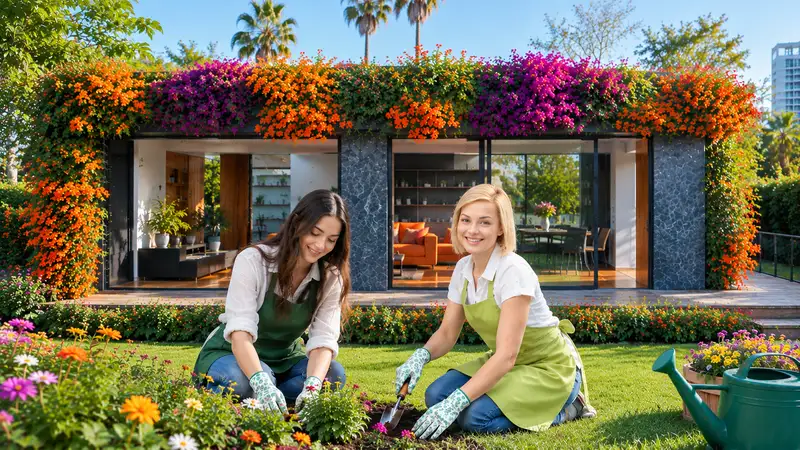
A beautiful garden can make a home feel more welcoming, peaceful, and connected to nature. You do not need a huge yard or an expensive landscaping budget to create an attractive outdoor space. With thoughtful planning, suitable plants, healthy soil, and regular care, even a small garden can become a useful and enjoyable part of your home.
This guide brings together practical decoradhouse garden tips by decoratoradvice to help homeowners improve their outdoor spaces. From choosing the right plants to creating comfortable seating areas, each idea focuses on making a garden attractive, practical, and easier to maintain.
1. Start With a Simple Garden Plan
Before buying plants or changing the layout, look carefully at your existing outdoor space. Consider its size, shape, sunlight, shade, drainage, pathways, and the way your family uses the area.
Think about what you want from your garden. It might be a relaxing sitting area, a colorful flower garden, a space for children, a vegetable-growing area, or a combination of several purposes.
A simple plan can prevent unnecessary purchases and help you place plants where they are most likely to thrive. The U.S. Environmental Protection Agency recommends considering local climate, sun and shade, soil conditions, maintenance requirements, and intended use when designing a landscape.
2. Understand Your Soil
Healthy soil is one of the foundations of a successful garden. Before planting, check whether your soil is sandy, clay-heavy, compacted, or rich in organic matter.
If the soil does not drain properly, plants may struggle because their roots receive too much moisture. On the other hand, very sandy soil can allow water to disappear too quickly.
Adding suitable organic matter or compost can improve soil structure. Aerating compacted areas can also help water move into the root zone instead of running across the surface. EPA guidance recommends checking soil conditions and using appropriate amendments where necessary.
Do not assume every plant needs the same soil. Different species have different preferences, so research the requirements of plants before placing them in your garden.
3. Choose Plants for Your Local Conditions
One of the easiest ways to create a healthier garden is to select plants that naturally suit your climate.
Native and regionally appropriate plants can be especially useful because they are adapted to local environmental conditions. Many established low-water plants also require less supplemental watering than plants that are poorly matched to the area.
Instead of choosing plants simply because they look attractive at a nursery, consider:
- How much sunlight they need
- How much water they require
- Their mature size
- Their flowering season
- Their soil preferences
- Their maintenance requirements
- Whether they are suitable for your local climate
A combination of flowers, shrubs, ground covers, and small trees can provide different heights and textures while keeping the garden visually interesting.
4. Create Layers With Plants
A garden can look much more attractive when plants are arranged at different heights.
Place taller shrubs or trees toward the back, medium-sized plants in the middle, and shorter flowers or ground covers toward the front. This simple technique creates depth without requiring complicated landscaping.
You can also group plants according to their colors. For example, soft green foliage can provide a background for yellow, white, pink, or blue flowers.
Avoid placing every plant in a straight line. Natural-looking groups often create a more relaxed appearance, while repeated shapes can give a more organized and formal garden style.
5. Add a Comfortable Garden Seating Area
A garden should not only look good; it should also be useful.
If space allows, add a small bench, two chairs, or a compact outdoor table. Position the seating where you can enjoy flowers, trees, or another attractive view.
For smaller gardens, foldable chairs or a simple bench can save space. A paved corner surrounded by plants can also become a peaceful outdoor sitting area.
Keep furniture practical for the local weather. Materials that are easy to clean and maintain are generally more convenient for outdoor use.
6. Improve Garden Paths and Walkways
A clear walkway can make a garden feel more organized and easier to use.
You can create paths with stone, brick, gravel, pavers, or other suitable outdoor materials. The path should lead naturally toward important areas such as the entrance, seating area, patio, shed, or planting beds.
Avoid making the garden feel crowded with too many pathways. A simple main route with a smaller branch toward a seating or planting area can be enough.
If your property has slopes, pay particular attention to drainage and erosion. Appropriate grading and deeper-rooted plantings can help reduce runoff and stabilize difficult areas.
7. Use Mulch Around Garden Plants
Mulch is one of the simplest improvements you can make around planting beds.
It can help reduce evaporation, suppress weeds, moderate soil temperature, and reduce erosion. Organic materials such as wood chips, shredded leaves, and similar materials can also contribute organic matter as they decompose.
Spread mulch evenly around plants, but avoid piling it directly against tree trunks or plant stems. Excessive mulch can also interfere with water reaching the roots.
Besides its practical benefits, mulch can make planting beds look cleaner and more finished.
8. Water Plants More Efficiently
Overwatering is a common garden mistake. More water does not automatically mean healthier plants.
Learn the water requirements of your plants and adjust watering according to weather and soil conditions. Watering systems should also be checked regularly for leaks, broken sprinkler heads, or areas receiving more water than necessary.
Where appropriate, microirrigation or drip systems can deliver water closer to plant roots. Grouping plants with similar water needs together can also make irrigation easier and more efficient.
Morning or other cooler periods are generally preferable to watering during the hottest part of the day.
9. Make Small Gardens Feel Bigger
Small outdoor spaces can still look impressive when they are carefully organized.
Use vertical gardening to make use of walls, fences, trellises, and other vertical surfaces. Containers can also add greenery without taking up large planting beds.
Keep the central area relatively open rather than filling every available space with pots and furniture. A few carefully selected plants can have more visual impact than a crowded collection.
Mirrors or light-colored garden structures may also help create a brighter feeling, while climbing plants can soften fences and walls.
10. Add Simple Garden Lighting
Outdoor lighting can make a garden more useful after sunset while highlighting attractive features.
Consider placing small lights along walkways, near steps, around seating areas, or beside selected plants. Warm and soft lighting can create a comfortable atmosphere without making the garden look overly bright.
Solar lights may be useful for simple decorative applications, while properly installed wired lighting can provide more consistent illumination.
Keep lighting focused on areas that need visibility or deserve attention. Too many lights can make a garden feel busy.
11. Add Color Without Overdoing It
Color can transform an outdoor space, but using too many competing colors may make the garden appear disorganized.
Choose a simple color palette and repeat a few shades throughout the garden. Green foliage can act as the main background, while flowers provide seasonal highlights.
You can also use colorful pots, cushions, garden furniture, or small decorative features to introduce additional color without changing the entire landscape.
The best garden design does not necessarily contain the most decorations. A few well-positioned details often create a cleaner appearance.
12. Try Container and Vertical Gardening
Containers are useful when you have limited ground space or want flexibility.
Flowers, herbs, vegetables, and ornamental plants can be grown in suitable containers. Use containers with drainage holes and choose a potting medium appropriate for the plants.
Vertical gardens can also be useful on balconies, patios, fences, and small yards. Hanging baskets and wall-mounted planters can add greenery at different levels.
These options make it easier to refresh the garden seasonally without redesigning the entire outdoor area.
13. Focus on Low-Maintenance Gardening
A beautiful garden should not become a constant source of work.
Choose plants that suit your climate and available maintenance time. Native or regionally appropriate plants can reduce watering and maintenance requirements when properly established.
Keep weeds under control, remove damaged growth, replace mulch when needed, and monitor plants for signs of stress.
Do not create more lawn than your property actually needs. Turf can be useful for play and other practical purposes, but reducing unnecessary lawn areas can lower mowing and watering requirements.
These decoradhouse garden tips by decoratoradvice can help homeowners create outdoor areas that remain attractive without demanding excessive time or resources.
14. Make the Backyard More Functional
Your backyard can serve several purposes if the layout is planned carefully.
A small patio can become an outdoor dining area. A shaded corner can become a reading space. A section near the kitchen can be used for herbs or vegetables, while another area can remain open for children or pets.
Use plants, low walls, screens, or trellises to separate different areas without making the garden feel closed.
Think about how you actually spend time outdoors before deciding where each feature should go.
15. Maintain the Garden Through the Seasons
Garden maintenance should be consistent rather than left until everything needs attention at once.
Create a simple seasonal routine that includes checking plants, removing weeds, refreshing mulch, trimming where appropriate, cleaning outdoor furniture, and inspecting irrigation equipment.
Pay attention to changing weather. A plant that needs regular watering during a hot period may need considerably less during cooler or rainy conditions.
Regular small tasks are usually easier to manage than major garden repairs after problems have been ignored for months.
Important Garden Points to Remember
The following decoradhouse garden tips by decoratoradvice summarize the most useful ideas:
| Garden Area | Practical Approach |
|---|---|
| Planning | Decide how you want to use the garden |
| Soil | Check drainage, compaction, and soil condition |
| Plants | Select varieties suitable for your climate |
| Watering | Water according to plant needs |
| Mulch | Use it to reduce evaporation and weeds |
| Layout | Combine different heights and textures |
| Seating | Create a comfortable outdoor corner |
| Lighting | Highlight paths and useful areas |
| Small spaces | Use containers and vertical planting |
| Maintenance | Keep up with simple seasonal tasks |
Frequently Asked Questions
How can I improve my garden without spending a lot?
Start with basic improvements such as cleaning the space, removing weeds, rearranging existing plants, adding mulch, pruning where appropriate, and creating a simple seating area.
What plants are easiest to maintain?
Plants suited to your local climate and soil conditions are generally easier to maintain than plants that require conditions your garden cannot naturally provide.
How often should garden plants be watered?
There is no single schedule for every garden. Watering depends on plant type, soil, weather, season, and local conditions. Check the soil and plant requirements instead of automatically watering every day.
Is mulch useful for every garden?
Mulch can be useful around many planting beds because it can help retain moisture, reduce weeds, moderate soil temperature, and protect soil from erosion.
Can a small yard have a beautiful garden?
Absolutely. Small yards can benefit from vertical planting, containers, compact seating, simple pathways, and carefully selected plants. The key is using the available space efficiently rather than filling every area.
Final Thoughts
A successful garden does not have to be expensive, complicated, or difficult to maintain. Good planning, decoradhouse garden tips by decoratoradvice suitable plants, healthy soil, efficient watering, and thoughtful decoration can completely change the appearance and usefulness of an outdoor space.
The most effective approach is to work with your garden’s existing conditions rather than constantly fighting them. Choose plants that suit the climate, organize the space around your needs, and introduce decorative features gradually. Click here see more details.