
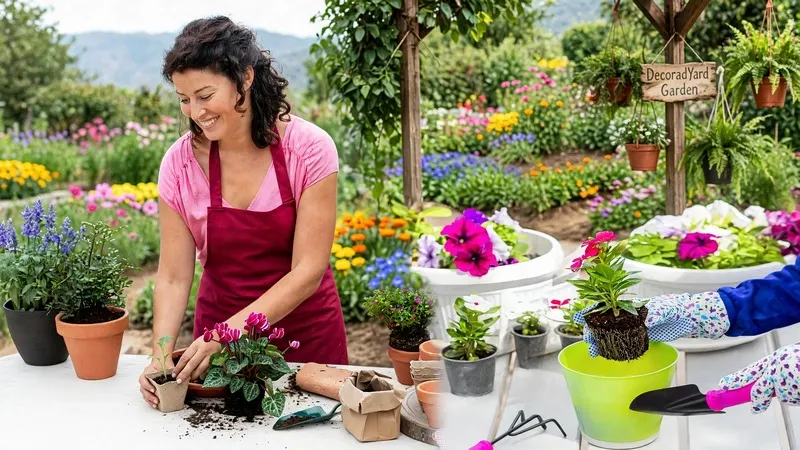
A beautiful garden can make any outdoor space feel more peaceful, welcoming, and enjoyable. Whether you have a large backyard, a small home garden, or a few plant containers on a patio, the right gardening methods can help you create an attractive green environment. You do not need expensive landscaping or professional services to improve your garden. Simple planning, suitable plants, and regular maintenance can produce excellent results.
Gardening is also a useful way to make better use of outdoor areas. Plants add natural color, improve the appearance of a property, and provide opportunities to spend time outside. With a little attention, even an ordinary yard can become a comfortable place for relaxation and outdoor activities.
What Are DecoradYard Garden Tips?
DecoradYard Garden Tips refers to practical gardening ideas and simple techniques for creating beautiful, healthy, and well-organized outdoor spaces. It covers choosing suitable plants, preparing healthy soil, watering correctly, designing flower beds, decorating garden areas, and maintaining plants throughout the year. These suggestions help homeowners improve their gardens, make better use of available space, and create a welcoming outdoor environment without spending too much money.
The decoradyard garden tips approach focuses on practical gardening techniques, creative outdoor arrangements, plant selection, and easy maintenance. This guide explains how to plan your garden, choose suitable plants, improve soil conditions, organize small spaces, and maintain a healthy outdoor environment.
1. Plan Your Garden Before Planting
Good planning helps you avoid unnecessary work and makes it easier to create an organized garden. Before purchasing plants or gardening materials, examine the available space and understand its conditions.
Check how much sunlight different sections receive throughout the day. Some plants grow well in direct sunlight, while others prefer partial shade. Also consider the size of your garden, soil condition, drainage, and available water supply.
Follow these simple planning steps:
- Measure the area you want to use for gardening.
- Identify sunny and shaded sections.
- Decide where flower beds and plant containers will go.
- Leave enough space for walking and maintenance.
- Choose plants according to local weather conditions.
- Set a reasonable budget for supplies.
A simple garden layout can help you use the available space effectively. It also prevents overcrowding and makes future maintenance easier.
2. Choose Plants According to Your Climate
Selecting suitable plants is one of the most important parts of successful gardening. Different varieties have different requirements for sunlight, temperature, water, and soil.
Before buying a plant, learn about its growing conditions. Plants that naturally suit your local climate may require less additional care than varieties that need special environmental conditions.
Consider these plant categories:
- Flowering plants: Add attractive colors to garden beds and containers.
- Evergreen shrubs: Provide greenery throughout much of the year.
- Herbs: Can be grown in small garden spaces and suitable containers.
- Ground-cover plants: Cover suitable soil areas and reduce exposed ground.
- Small trees: Can provide shade and structure in larger gardens.
Check the expected mature size of each plant before planting. Giving roots and branches enough room helps prevent overcrowding as the garden develops.
3. Prepare Healthy Soil for Better Plant Growth
Healthy soil provides plants with important nutrients, water, and support for root development. Poor soil conditions can make it difficult for plants to grow properly, even when they receive enough sunlight.
Start by checking the soil texture and drainage. Some plants prefer well-drained soil, while others tolerate more moisture. Avoid planting directly into areas where water remains standing for long periods.
Compost can improve soil structure and add organic matter. Well-decomposed compost is commonly used to support soil health and provide nutrients.
Useful soil preparation practices include:
- Remove weeds and unwanted debris.
- Loosen compacted soil where appropriate.
- Add suitable compost before planting.
- Check drainage after watering.
- Avoid excessive fertilizer applications.
- Follow plant-specific soil recommendations.
A simple soil test can help you understand its pH and nutrient levels. This information is useful when selecting plants and deciding whether soil improvements are necessary.
4. Water Your Plants Properly
Water is essential for plant growth, but giving too much or too little can affect plant health. The correct amount depends on plant variety, soil type, temperature, sunlight, and rainfall.
Instead of watering every plant according to one fixed schedule, check the soil moisture and understand the needs of each variety.
Here are some helpful watering practices:
- Water plants according to their individual requirements.
- Check soil moisture before adding more water.
- Water near the soil rather than unnecessarily wetting leaves.
- Use containers with suitable drainage holes.
- Give newly planted plants appropriate attention.
- Adjust watering during rainy or hot weather.
Early morning is often a suitable time for watering because it allows plants to absorb moisture before the hottest part of the day. However, local weather and plant requirements should guide your routine.
5. Create Attractive Flower Beds
Flower beds can make an outdoor area more colorful and organized. They can be placed along garden borders, near entrances, or around suitable seating areas.
Before planting flowers, consider their height, growing requirements, and flowering seasons. Taller plants can be positioned toward the back of a bed, while shorter varieties can be placed near the front.
Combining different flower colors can create an attractive arrangement. However, choosing a limited color theme often gives the garden a more balanced appearance.
You can improve flower beds by:
- Removing weeds before planting.
- Arranging flowers according to their mature height.
- Leaving enough room between plants.
- Adding suitable mulch around plants.
- Removing damaged flowers when appropriate.
- Checking soil moisture regularly.
Choose varieties that suit your local climate so the flower bed remains manageable throughout the growing season.
6. Make Small Gardens More Useful
A limited outdoor area can still become a beautiful garden with careful planning. The key is to use available space wisely and avoid adding too many large features.
Vertical gardening is a useful option for smaller areas. Wall-mounted planters, hanging baskets, and suitable shelves allow you to grow plants without using much ground space.
Other practical ideas include:
- Use compact plant containers.
- Grow suitable herbs in small pots.
- Place plants along walls or fences.
- Choose furniture that fits the available area.
- Keep pathways clear.
- Use hanging planters where safely supported.
You can also select plants with different heights to create visual interest. Keep the arrangement simple so that plants receive enough light and remain easy to maintain.
7. Add Garden Pathways and Seating Areas
Pathways and seating areas can make a garden more comfortable and practical. A pathway connects different sections of the outdoor space, while seating provides a place to relax and enjoy the surroundings.
Stepping stones, gravel, bricks, and suitable outdoor pavers are common pathway materials. Choose an option that provides a stable walking surface and suits your garden design.
For seating, a small bench or a pair of outdoor chairs may be enough for a modest yard. Larger gardens can accommodate a table and several chairs.
Keep these points in mind:
- Make pathways wide enough for comfortable movement.
- Choose materials suitable for outdoor conditions.
- Keep walking surfaces stable.
- Place seating on level ground.
- Leave enough room around furniture.
- Consider shade when selecting a seating location.
A simple arrangement can improve the usefulness of your garden without making it look crowded.
8. Use Mulch to Protect Garden Soil
Mulching is a practical gardening technique that involves placing a layer of suitable material over the soil surface. It can help reduce moisture loss, limit weed growth, and protect soil from certain weather conditions.
Common mulch materials include shredded bark, dry leaves, compost, and other suitable organic materials.
When applying mulch, spread it evenly around plants while keeping it away from direct contact with stems and tree trunks. A layer that is too thick may create problems for plant roots or encourage excess moisture around plant bases.
Mulch can also make garden beds look more organized by creating a consistent surface around plants.
9. Keep Your Garden Free From Weeds and Pests
Weeds compete with garden plants for sunlight, water, nutrients, and growing space. Regular inspection can help you identify unwanted growth before it becomes difficult to manage.
Remove weeds carefully, especially when they are small. Use suitable gardening tools and avoid disturbing the roots of nearby plants.
Pests can also affect leaves, flowers, and stems. Check plants regularly for unusual marks, damaged growth, or visible insects.
Useful garden care practices include:
- Inspect plants regularly.
- Remove weeds before they spread.
- Clean damaged plant material.
- Maintain appropriate spacing between plants.
- Avoid excessive watering.
- Identify pests before choosing a treatment.
Use gardening products only according to their labels. For serious pest problems, seek advice from a qualified local gardening professional.
10. Improve Your Garden With Outdoor Lighting
Outdoor lighting can make a garden more welcoming after sunset. It also improves visibility around entrances, pathways, and seating areas.
Solar garden lights are a convenient option for suitable outdoor locations because they recharge using sunlight. Other choices include outdoor wall fixtures, lanterns, and weather-resistant string lights.
Consider placing lights near:
- Garden pathways.
- Outdoor seating areas.
- Entrance routes.
- Selected decorative plants.
- Patio spaces.
Choose lighting products designed for outdoor use. Avoid excessive brightness and follow electrical safety instructions during installation.
11. Follow a Regular Garden Maintenance Routine
A healthy garden requires regular attention. Small maintenance activities can prevent many common problems and help plants remain in good condition.
Create a routine based on your plants, local weather, and available time. Some activities may be needed weekly, while others depend on the growing season.
| Garden Area | Maintenance Activity | Frequency |
|---|---|---|
| Flower beds | Remove weeds and damaged flowers | As needed |
| Plant containers | Check soil moisture and drainage | Regularly |
| Garden pathways | Remove leaves and debris | Weekly or as needed |
| Shrubs | Inspect and prune when appropriate | Seasonally or as needed |
| Garden furniture | Clean outdoor surfaces | Regularly |
| Soil | Check condition and add suitable compost | As needed |
Avoid pruning every plant in the same way. Different varieties have different pruning requirements, so check their specific growing instructions.
12. Common Gardening Mistakes to Avoid
Even simple gardening projects can become difficult when basic requirements are ignored. Understanding common mistakes can help you maintain a healthier outdoor space.
Overwatering plants: Excessive water can reduce oxygen around roots and cause root problems. Check soil moisture before watering.
Choosing unsuitable plants: Plants that cannot tolerate local weather may struggle to grow. Select varieties according to climate and sunlight conditions.
Planting too closely: Overcrowding reduces airflow and limits room for healthy growth. Follow recommended spacing instructions.
Ignoring soil quality: Poor soil conditions can affect plant development. Improve soil according to its actual needs.
Using too much fertilizer: Excessive fertilizer may damage plants. Follow product instructions and plant-specific recommendations.
Following decoradyard garden tips means focusing on the basic needs of plants while making outdoor spaces attractive, practical, and easier to manage.
13. Budget-Friendly Ways to Improve Your Garden
You do not need expensive landscaping to improve your outdoor area. Many useful changes can be made gradually with affordable materials and existing household items.
Try these simple ideas:
- Reuse suitable containers as plant pots.
- Grow herbs in small garden spaces.
- Add affordable flowering plants.
- Clean and rearrange existing garden furniture.
- Use suitable stepping stones for pathways.
- Make compost from appropriate organic garden waste.
- Add a few solar lights.
- Divide suitable established plants when the variety allows it.
Before buying new decorations, check whether existing items can be cleaned, repaired, or reused safely. Complete one project at a time to keep your spending under control.
14. Frequently Asked Questions
1. How can I start a garden at home?
Begin by selecting a suitable area, checking sunlight and soil conditions, and choosing plants that match your local climate. Start with a few easy-to-maintain varieties.
2. Which plants are easiest to maintain?
Suitable low-maintenance plants depend on your region and growing conditions. Choose varieties that naturally tolerate your local climate and require manageable watering and care.
3. How often should I water my garden?
Watering frequency depends on plant type, soil, temperature, rainfall, and container size. Check soil moisture and follow the needs of individual plants.
4. How can I improve a small garden?
Use vertical planters, compact containers, hanging baskets, and small furniture. Keep pathways open and avoid overcrowding the available space.
5. Why is compost useful for gardening?
Well-decomposed compost adds organic matter and can improve soil structure. It supports soil health and provides nutrients that help plants grow.
6. How can I keep weeds under control?
Inspect garden beds regularly and remove weeds before they spread. Suitable mulch can also help reduce weed growth when applied correctly.
Conclusion
A beautiful garden is created through thoughtful planning, suitable plant selection, healthy soil, proper watering, and regular maintenance. Even a small outdoor area can become attractive and useful when every section is arranged carefully.
Start with simple improvements and choose plants that suit your local conditions. Keep the garden clean, provide the care your plants need, and make changes gradually. By following practical decoradyard garden tips, you can develop a welcoming outdoor space that remains healthy, organized, and enjoyable throughout the year. Click here see more details.