
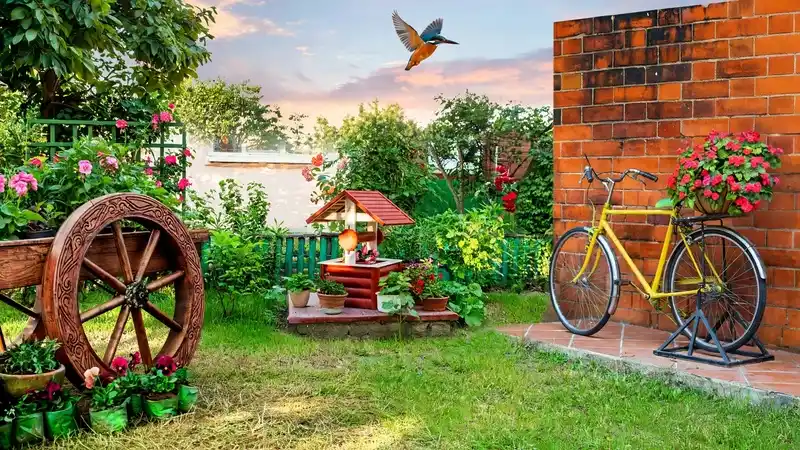
Creating an attractive outdoor space does not always require expensive furniture, professional landscaping, or major renovations. Simple decorative changes can make a garden, backyard, patio, or small yard feel more welcoming and organized. The key is to choose decorations that match your available space, personal style, and everyday needs.
A well-decorated yard can provide a comfortable place to relax, spend time with family, enjoy fresh air, or grow beautiful plants. From colorful flower pots to creative lighting, many affordable options can improve the appearance of an outdoor area. Good planning also helps prevent overcrowding and makes the space easier to maintain.
This guide explores practical ways to improve outdoor spaces with thoughtful decorations. Whether you have a large backyard or a small patio, these suggestions can help you create an environment that looks attractive and remains useful throughout the year.
What Are Decoration Ideas DecoradYard?
Decoration Ideas DecoradYard refers to creative and practical ways to make outdoor spaces more beautiful, comfortable, and organized. These ideas include arranging colorful flower pots, adding outdoor furniture, designing attractive garden pathways, using decorative lighting, decorating walls and fences, and creating relaxing seating areas. They help homeowners improve gardens, patios, and backyards with simple and affordable solutions. The main goal is to create a welcoming outdoor environment that combines attractive design with everyday comfort and easy maintenance.
1. Start With a Simple Decoration Plan
Before purchasing decorations, take some time to understand your outdoor space. Look at its size, shape, sunlight, existing plants, pathways, and available seating areas. This will help you decide which improvements are most useful.
For example, a small patio may need compact furniture and a few decorative pots, while a large backyard could benefit from separate areas for gardening, seating, and outdoor activities.
Consider these planning steps:
- Measure the available space before buying furniture.
- Decide which areas need decoration or improvement.
- Choose a consistent color theme.
- Keep pathways clear and comfortable to use.
- Set a realistic decoration budget.
- Consider the weather conditions in your area.
A clear plan helps you avoid unnecessary purchases and ensures that every decorative item has a purpose.
2. Add Colorful Flower Pots
Flower pots are one of the easiest ways to improve the appearance of an outdoor area. They are available in different sizes, shapes, materials, and colors, making them suitable for almost any garden or patio.
You can place large pots near entrances, arrange smaller containers along pathways, or use colorful planters to brighten an empty corner. Choose plants according to the sunlight and climate conditions of your location.
Terracotta pots offer a natural appearance, while ceramic containers can introduce brighter colors. Wooden planters may suit rustic outdoor designs, and lightweight containers are useful when you want to move plants around.
For a balanced arrangement, combine different pot sizes without overcrowding the area. Make sure containers have suitable drainage holes so excess water can escape.
3. Create a Comfortable Outdoor Seating Area
A seating area can make your yard more practical and inviting. It provides a place to read, relax, enjoy a morning drink, or spend time with visitors.
Choose furniture according to the available space. A small balcony or patio may only need two chairs and a compact table. Larger gardens can accommodate a bench, outdoor sofa, or dining set.
Consider weather-resistant materials such as treated wood, metal, or outdoor-grade plastic. Cushions and removable covers can introduce color and comfort, but they should be suitable for outdoor use.
When planning your seating arrangement, remember to leave enough room for people to walk around comfortably. Position chairs where they offer a pleasant view of the garden or provide suitable shade.
4. Improve the Look With Garden Pathways
Pathways can make an outdoor area look organized while providing a clear route between different sections. They are particularly useful in gardens where people regularly walk between flower beds, seating areas, and entrances.
Common pathway materials include:
- Natural stone
- Concrete pavers
- Gravel
- Brick
- Outdoor stepping stones
Choose a material that matches your garden’s overall appearance and is suitable for the local weather. A simple stone pathway can create a natural look, while brick may provide a more traditional style.
Keep pathways wide enough for comfortable movement and maintain their surfaces regularly. Remove weeds when necessary and check that stones or pavers remain stable.
5. Use Outdoor Lighting for a Warm Atmosphere
Lighting can improve the appearance and usefulness of an outdoor space after sunset. It can highlight plants, illuminate pathways, and make seating areas more comfortable.
Solar-powered garden lights are a convenient option because many models charge during the day and switch on automatically when it becomes dark. String lights can create a decorative effect around a covered patio, while lantern-style lights can add character to tables and outdoor corners.
Consider these lighting ideas:
- Place pathway lights along walking routes.
- Use soft lights near seating areas.
- Highlight selected trees or decorative plants.
- Add suitable lighting near outdoor entrances.
- Choose weather-rated products designed for outdoor conditions.
Avoid using too many lights in one place. A simple arrangement often creates a more balanced and relaxing environment.
6. Decorate Walls and Fences Creatively
Outdoor walls and fences can become useful decorative features. Instead of leaving them completely empty, you can introduce hanging planters, weather-resistant artwork, or vertical gardening arrangements.
Vertical planters are particularly useful when floor space is limited. They allow you to grow selected herbs, flowers, and small plants along a wall or fence.
You can also use outdoor shelves to display lightweight pots and decorative objects. However, make sure shelves and hanging items are securely installed and suitable for outdoor conditions.
Choose decorations that can handle sunlight, rain, and changing temperatures. Regularly inspect them to prevent damage and keep the area looking neat.
7. Choose a Consistent Color Theme
A consistent color scheme helps connect different parts of an outdoor space. Without a clear theme, too many unrelated colors can make a garden look crowded.
Natural shades such as green, brown, beige, and stone gray work well with plants and outdoor furniture. You can introduce brighter colors through flower pots, cushions, painted planters, and small decorative accessories.
For example, a blue and white theme can create a fresh appearance, while earthy colors can make a garden feel more natural. Green plants can complement almost any color combination.
You do not need to use the same color everywhere. Instead, select two or three main colors and repeat them in different parts of the space.
8. Make Small Yards Look More Spacious
Small outdoor spaces can still look attractive when decorations are selected carefully. The main goal is to make good use of available space without blocking movement.
Use vertical planters instead of placing too many containers on the ground. Choose folding chairs, compact tables, and furniture with built-in storage where appropriate.
Mirrors designed for outdoor use may also create a sense of additional depth when positioned safely. Light-colored surfaces and simple arrangements can help the area feel open.
Other useful ideas include:
- Use narrow planters along walls.
- Keep the center of the space open.
- Select furniture with suitable proportions.
- Avoid unnecessary decorative objects.
- Use one main focal point, such as a plant arrangement.
These changes can make even a small balcony, courtyard, or backyard more comfortable and organized.
9. Add Natural Materials and Decorative Features
Natural materials can give outdoor spaces a warm and welcoming appearance. Wood, stone, bamboo, and clay can complement flowers, shrubs, and other garden plants.
A wooden bench, stone planter, or bamboo screen can become an attractive feature without making the design complicated. You can also use decorative rocks around selected plants or flower beds.
When choosing natural materials, consider their maintenance requirements. Some types of wood need protective treatment, while certain stones may require occasional cleaning.
The best approach is to select a few features that match your overall design instead of adding too many different materials.
10. Create a Beautiful Garden Corner
An empty corner can become an interesting part of your outdoor space with a thoughtful arrangement. You could place a medium-sized plant, a decorative pot, and a small bench together to create a peaceful area.
For a flower corner, combine plants with different heights and blooming periods. This can help maintain visual interest across different seasons.
If you prefer a practical arrangement, consider growing herbs such as mint, basil, or rosemary in suitable containers. These plants can provide greenery while also serving a useful purpose in the kitchen.
The decoration ideas decoradyard approach focuses on making each area attractive while keeping it practical. Start with one corner and improve it gradually rather than trying to decorate the entire yard at once.
11. Use Recycled Items for Affordable Decoration
You do not always need to purchase new products to improve your garden. Some clean and suitable household items can be reused as decorative features.
For example, old containers may become plant holders, wooden boxes can be turned into planters, and unused shelves may provide space for small pots. Reusing materials can reduce waste and help control decoration costs.
Before using any recycled item outdoors, check its condition. Avoid containers that may release harmful substances into the soil, and make sure wooden items are safe for outdoor use.
Here are a few affordable possibilities:
| Reused item | Possible garden use |
|---|---|
| Wooden boxes | Small plant containers |
| Old clay pots | Flower arrangements |
| Clean glass jars | Decorative displays |
| Unused shelves | Plant storage |
| Natural stones | Garden borders |
Simple projects can add character to your garden while making use of materials you already have.
12. Keep Decorations Easy to Maintain
A beautiful outdoor area needs regular care. Dust, fallen leaves, weeds, and weather damage can affect its appearance over time.
Choose decorations that are easy to clean and suitable for outdoor conditions. Wash pots when needed, remove dead leaves, and inspect furniture for loose parts or surface damage.
Plants also need attention. Follow suitable watering schedules, check soil conditions, and remove weeds before they spread. Avoid watering every plant in the same way because different varieties have different needs.
A simple weekly routine can make maintenance easier:
- Sweep pathways and seating areas.
- Remove fallen leaves and unwanted weeds.
- Check plants for signs of stress.
- Clean outdoor furniture when necessary.
- Inspect lights and decorative features.
- Replace or repair damaged items.
Regular care helps preserve the appearance of your outdoor space without requiring major work.
13. Common Decoration Mistakes to Avoid
Even attractive decorations can create problems when they are not planned properly. Too many objects, unsuitable plants, or furniture that is too large can make an outdoor area difficult to use.
Avoid placing containers where they block entrances or pathways. Do not choose plants without considering their mature size and sunlight requirements. Similarly, avoid using indoor furniture outside unless it is designed for outdoor conditions.
Another common mistake is focusing only on appearance while ignoring maintenance. Decorations should suit your available time, budget, and local weather.
The decoration ideas decoradyard concept works best when beauty and practicality are considered together. A few well-selected features can often create a better result than a large collection of unrelated items.
14. Plan Your Decoration Budget Carefully
Outdoor improvements can be completed gradually. You do not need to purchase everything at once or spend a large amount of money.
Begin with the changes that will make the biggest difference. Cleaning an existing area, rearranging furniture, adding a few plants, or improving a pathway may be enough to refresh the space.
Compare prices before purchasing larger items and consider whether existing materials can be reused. Set aside part of your budget for plant care and maintenance rather than spending everything on decorations.
A practical budget helps you improve your garden without unnecessary expenses.
Frequently Asked Questions
1. What are some simple outdoor decoration ideas?
Simple options include colorful flower pots, outdoor seating, garden pathways, solar lights, hanging planters, and natural decorative materials.
2. How can I decorate a small backyard?
Use compact furniture, vertical planters, light colors, and a few carefully selected decorations. Keep pathways clear and avoid overcrowding.
3. Which materials are suitable for outdoor decorations?
Stone, treated wood, metal, terracotta, and outdoor-grade plastic are common choices. Select materials according to local weather and maintenance needs.
4. How can I decorate my yard on a limited budget?
Reuse suitable household materials, rearrange existing furniture, grow plants from seeds where appropriate, and make improvements gradually.
5. How do I keep my garden decorations looking good?
Clean decorative items regularly, remove fallen leaves, maintain plants, and repair weather-related damage when necessary.
Conclusion
A well-decorated outdoor area can improve the comfort, appearance, and usefulness of your home. You can begin with simple changes such as colorful flower pots, comfortable seating, attractive pathways, and suitable lighting. Adding natural materials, organizing small spaces, and reusing suitable household items can also make a noticeable difference.
The best results come from choosing decorations that match your space, budget, and lifestyle. Keep the arrangement simple, select weather-resistant materials, and maintain your plants and furniture regularly. With thoughtful planning and gradual improvements, decoration ideas decoradyard can help you create an outdoor environment that feels welcoming, organized, and enjoyable throughout the year. Click here see more details.