
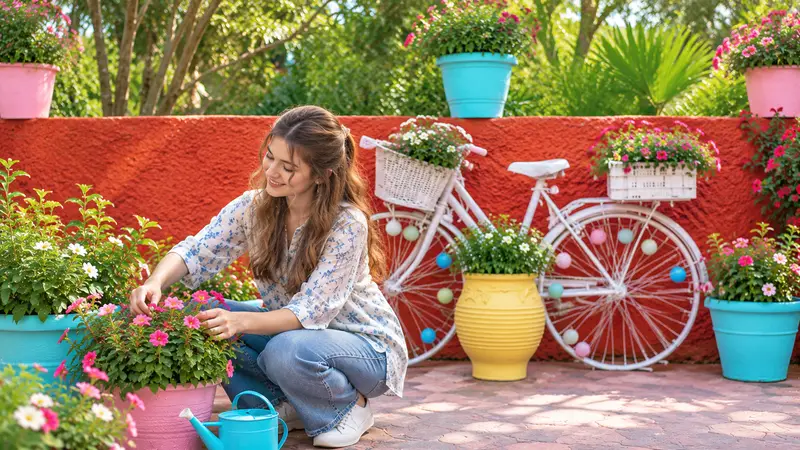
A well-decorated yard can completely change the appearance and atmosphere of a home. It can become a peaceful place for morning coffee, a comfortable area for family gatherings, or a colorful garden where you can enjoy fresh air and greenery. The best outdoor spaces are not simply filled with decorations; they are carefully planned around comfort, beauty, functionality, and easy maintenance.
If you are looking for from decoratoradvice decoration ideas decoradyard, start by thinking about how you want to use your outdoor space. Once you understand its purpose, it becomes easier to choose suitable plants, furniture, lighting, pathways, containers, and decorative features.
Understand Your Yard Before Decorating
Before purchasing anything, take a close look at the existing yard. Measure the available space and notice where sunlight falls during the morning and afternoon. Identify shaded areas, existing trees, fences, walls, walkways, patios, and places where rainwater collects.
The condition of the ground is also important. Uneven surfaces, damaged paving, poor drainage, or overgrown plants should be addressed before adding decorative features.
Think about your lifestyle as well. Some homeowners want a quiet garden for relaxing, while others need space for outdoor dining, entertaining guests, gardening, or family activities. Professional landscape guidance recommends defining the purpose of an outdoor space before developing its design because the layout should reflect how the area will actually be used.
Create a Simple Outdoor Layout
A good layout makes a yard feel organized without making it look overly designed. Instead of placing furniture and decorations randomly, divide the space into useful zones.
A seating zone can include comfortable chairs, a small table, and nearby plants. A dining zone may have an outdoor table positioned conveniently near the house. Another section can be dedicated to flowers, herbs, vegetables, or decorative shrubs.
Paths can connect these areas and make movement easier. In a larger yard, planting beds, gravel borders, low walls, or changes in paving can visually separate different areas.
For a smaller yard, avoid using too many large items. Compact furniture and vertical planting can provide functionality while keeping valuable floor space open.
Select a Coordinated Color Scheme
Color is an easy way to make an outdoor area look attractive and connected. Start with the colors already present on the exterior of your house and choose complementary shades for plants, furniture, containers, and accessories.
Green foliage naturally provides the main background in most gardens. Flowers can introduce blue, purple, yellow, pink, white, or red accents.
For a calm appearance, combine green plants with white, soft blue, beige, or natural wood. If you prefer something more energetic, colorful flowers can become the main visual feature.
Try not to use too many unrelated colors. A simple palette usually gives the yard a cleaner and more professional appearance.
Use Plants as Natural Decoration
Plants should be an important part of your decoration plan rather than something added at the end. Combining different heights, textures, and shapes creates depth and makes planting areas more interesting.
Tall plants can form a background, medium shrubs can fill the middle layer, and smaller flowers or groundcovers can occupy the front. This layered approach creates visual variety without requiring excessive decoration.
Always consider sunlight, soil, water requirements, mature size, and local climate before selecting plants. Climate-suitable choices are generally easier to maintain. For Pakistani gardens, for example, plant selection should take hot summers, seasonal rainfall, and changing winter conditions into account.
Flowers can provide seasonal color, while evergreen foliage can maintain structure throughout the year. Herbs and edible plants can also be incorporated into attractive containers or garden beds.
Add Attractive Planters
Containers are one of the easiest ways to introduce decoration without making permanent landscape changes. They work particularly well around entrances, patios, seating areas, pathways, and empty corners.
Use different sizes carefully. A large planter can become a focal point, while smaller pots can fill spaces around furniture or along a wall.
Try repeating one material or color across several containers. For example, terracotta pots can create a warm traditional appearance, while simple stone or neutral-colored planters can provide a modern look.
Vertical planters, hanging baskets, and wall-mounted containers are especially useful when floor space is limited.
Create a Comfortable Seating Area
A yard becomes much more useful when there is a comfortable place to sit. Select furniture according to the size of the area and the activities you expect to do there.
A small garden may only need two chairs and a compact table. A larger yard could accommodate a sofa, lounge chairs, or an outdoor dining set.
Avoid overcrowding the area. People should have enough room to walk around the furniture comfortably.
Outdoor cushions can introduce color and comfort, while a weather-resistant rug can visually define a seating zone. Natural materials and comfortable outdoor furnishings are increasingly being used to make gardens feel like extensions of indoor living spaces.
Add a Decorative Garden Path
A pathway can improve both appearance and functionality. It guides visitors toward the entrance, seating area, garden gate, patio, or another important feature.
Depending on the style of your home, you can consider pavers, brick, stone, gravel, or other suitable outdoor materials.
Keep the path easy to walk on and make sure it fits naturally into the overall layout. Plants along the edges can soften hard surfaces and create a welcoming appearance.
Repeating the same material or plant along a pathway can also connect different sections of the yard.
Choose One Main Focal Point
A beautiful yard usually benefits from a feature that naturally attracts attention. This could be a flowering tree, large planter, fountain, pergola, sculpture, attractive seating area, or colorful flower bed.
The focal point does not have to be expensive. Its purpose is to give the eye somewhere to rest.
Avoid placing multiple large decorative objects together. A single strong feature surrounded by simpler elements often looks more balanced. Recent garden-design ideas increasingly focus on intentional focal points, structured planting, and architectural features instead of filling every empty area with decorations.
Improve Outdoor Lighting
Outdoor lighting can completely change the atmosphere of a garden after sunset. Instead of depending on one bright light, combine several softer sources.
Path lights can improve visibility along walkways. Wall lights can brighten entrances. Small accent lights can highlight plants, trees, or architectural features. String lights can make a seating area feel warm and inviting.
Energy-efficient LED lighting can be useful for regular outdoor use. Place lights carefully so they provide useful illumination without creating unnecessary glare.
Layered outdoor lighting is also becoming more popular because it combines practical illumination with decorative atmosphere.
Add Privacy Naturally
Privacy can make an outdoor space much more comfortable. If the yard is visible from neighboring homes, consider using tall plants, hedges, trellises, climbing plants, screens, or suitable fencing.
Plants are particularly useful because they provide privacy while adding greenery and texture. Combining different plant heights can create a natural screen without making the yard feel completely enclosed.
For smaller spaces, vertical privacy solutions can provide separation while using very little floor area.
Decorate With Simple Accessories
Small accessories can give a garden personality. Consider weather-resistant cushions, lanterns, decorative pots, simple sculptures, outdoor artwork, bird-friendly features, or a small water element.
The key is moderation. A few carefully selected pieces generally look better than a large collection of unrelated ornaments.
Repeat colors and materials whenever possible. Wooden furniture can be complemented by wooden planters, while a stone pathway can be echoed with a small stone feature.
This approach reflects from decoratoradvice decoration ideas decoradyard by focusing on thoughtful decoration instead of simply adding more objects.
Make a Small Yard Feel Larger
A small yard can still be attractive and functional. Start by selecting furniture that fits the available space and avoid blocking the main walking route.
Vertical gardening is one of the most useful solutions for compact outdoor areas. Trellises, hanging baskets, wall planters, and tall narrow containers can add greenery without taking much floor space.
Keep the center of a small yard relatively open. This creates a clearer visual path and can make the space feel larger.
Use one or two strong design elements rather than filling every corner. A beautiful planter, small seating area, or vertical garden can be enough to create a clear identity.
Choose Low-Maintenance Decoration
A beautiful yard should not become a constant source of work. Choose durable materials and plants that match the amount of maintenance you can realistically provide.
Group plants with similar watering needs together. Mulch or suitable groundcover can help reduce exposed soil and make planting beds easier to manage.
Choose outdoor furniture that can handle local weather conditions, and protect cushions when necessary. Regular cleaning and seasonal inspections can help extend the life of outdoor items.
Low-maintenance landscaping continues to receive attention because many homeowners want attractive gardens without spending every weekend maintaining them.
Add Sustainable Garden Features
Sustainability can be included without making the design complicated. Choose durable materials, reuse suitable containers, compost garden waste when practical, and select plants that naturally suit your climate.
Edible gardening can combine decoration and usefulness. Herbs, vegetables, and fruit plants can be placed in attractive beds or containers.
Water should also be managed carefully. Climate-appropriate plants and efficient watering practices can help reduce unnecessary water use.
If you are installing permanent drainage, irrigation, electrical systems, or structures, consider getting professional advice to ensure the work is appropriate for the property.
Decorate on a Budget
You do not need to renovate the entire yard at once. Begin with improvements that provide the biggest visual difference.
Clean existing surfaces, remove unnecessary clutter, trim overgrown plants, and rearrange furniture. Then add a few attractive planters, fresh flowers, outdoor lighting, or a single focal feature.
Reusing suitable furniture and containers can also reduce costs. A tired planter may only need cleaning or repainting to look fresh again.
For larger projects, work in stages. Complete important structural improvements first, then gradually add plants, seating, lighting, and decorative accessories.
Common Decoration Mistakes to Avoid
When following from decoratoradvice decoration ideas decoradyard, avoid trying to copy every outdoor trend at once. Your yard should match your home’s architecture, your lifestyle, your climate, and the amount of time you have for maintenance.
Overcrowding is another common mistake. Plants need room to grow, and people need enough space to move comfortably.
Ignoring drainage can also create serious problems. Decorative improvements should never cover up water issues that need to be repaired.
Avoid choosing plants only because they look attractive in photographs. Always check their sunlight, soil, water, mature size, and climate requirements.
Finally, remember that a garden should look good both during the day and at night. Appropriate outdoor lighting can help maintain its appeal after sunset.
Practical Decoradyard Checklist
Before completing your outdoor makeover, review these points:
- Measure the available space
- Decide how the yard will be used
- Create functional zones
- Select a simple color palette
- Choose climate-suitable plants
- Combine different plant heights
- Add comfortable outdoor seating
- Define pathways
- Create one main focal point
- Install practical lighting
- Add privacy where necessary
- Choose weather-resistant accessories
- Keep maintenance realistic
- Check drainage before major landscaping work
Frequently Asked Questions
What is the easiest way to decorate a yard?
Start by cleaning and organizing the existing space. Add plants, comfortable seating, attractive containers, suitable lighting, and one main focal feature.
How can I decorate a small yard?
Use compact furniture, vertical gardens, hanging baskets, narrow planters, and a simple layout. Keeping the center open can help the space feel less crowded.
Which plants are best for a decorative yard?
The best plants depend on your climate, sunlight, soil, and maintenance routine. Choose varieties that naturally suit your local conditions.
How can I make my yard look expensive on a budget?
Focus on organization and consistency. A clean layout, coordinated colors, healthy plants, attractive lighting, and one strong focal point can create a polished appearance without expensive materials.
How often should outdoor decorations be maintained?
Maintenance depends on the plants, materials, weather, and type of decoration. Regular cleaning and seasonal checks can help keep the space attractive and allow you to identify problems early.
Final Thoughts
The best from decoratoradvice decoration ideas decoradyard approach is not about filling every empty area with decorations. It is about creating a balanced outdoor space that looks attractive while remaining comfortable and practical.
Start with the layout, then add suitable plants, seating, pathways, lighting, privacy features, and carefully selected accessories. Keep the colors coordinated and leave enough open space for movement.
Whether your yard is large or small, you can improve it gradually. Begin with simple changes, observe how the space works, and add new features as your budget allows. With thoughtful planning and regular care, your yard can become a welcoming extension of your home that you enjoy throughout the year. Click here see more details.