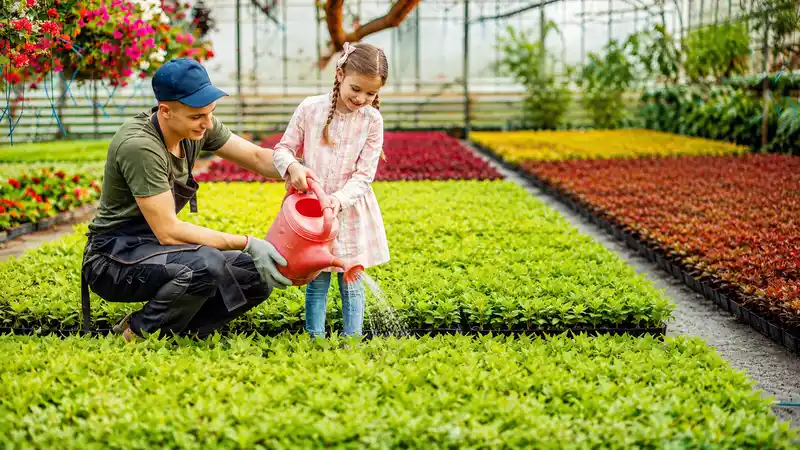
A beautiful garden does not always require a large budget, professional landscaping, or expensive outdoor decorations. With a few practical ideas and creative solutions, we can transform an ordinary outdoor space into a comfortable, attractive, and useful garden. Garden hacks decoradhouse ideas focus on making gardening easier while improving the appearance and functionality of the space.
Whether we have a small balcony garden, a backyard, a patio, or a larger outdoor area, simple improvements can make a noticeable difference. From using recycled containers to organizing gardening tools and creating natural decorations, the right hacks help us save time, reduce waste, and enjoy our outdoor spaces more.
What Are Garden Hacks?
Garden hacks are simple techniques, clever shortcuts, and affordable solutions that help us solve common gardening problems. They can involve planting, watering, organizing, decorating, maintaining plants, or improving the overall appearance of an outdoor area.
The best hacks are usually easy to implement and do not require specialized equipment. For example, we can reuse household containers as planters, create simple watering solutions, use natural materials for decoration, or organize tools in a compact storage area.
With garden hacks decoradhouse, we can approach garden improvement creatively instead of assuming that every project requires expensive products.
1. Reuse Containers as Creative Planters
One of the easiest ways to refresh a garden is to turn unused household items into planters. Old buckets, wooden boxes, cans, baskets, and suitable containers can become attractive homes for flowers, herbs, and small plants.
Before using any container, we should make sure it has appropriate drainage. Excess water can damage plant roots, so drainage holes are particularly important.
We can also group containers according to their size and appearance. Placing several matching or complementary planters together creates a more organized look without requiring a complete garden makeover.
2. Create a Vertical Garden in Small Spaces
Limited outdoor space does not mean we have to give up gardening. Vertical gardening allows us to use walls, fences, railings, and other vertical surfaces.
Wooden frames, wall-mounted planters, hanging pots, and simple shelves can be used to create vertical displays. Herbs and smaller plants are especially suitable for this approach.
A vertical garden can also become an attractive focal point. Instead of allowing an empty wall or fence to remain unused, we can turn it into a green feature that adds character to the entire outdoor area.
3. Make a Simple DIY Watering System
Watering plants regularly can become difficult when we are busy or away from home. A simple DIY watering system can help maintain consistent moisture.
For certain plants, a clean bottle with carefully made small openings can be positioned near the soil so water is released gradually. The method should be adjusted according to the plant and weather conditions because different plants require different amounts of water.
Another useful approach is grouping plants with similar watering needs together. This makes regular maintenance much easier and helps prevent some plants from receiving too much or too little water.
4. Use Mulch to Improve Garden Maintenance
Mulching is a practical technique that can make garden maintenance easier. Organic materials such as dry leaves, untreated wood material, or suitable composted material can be used as mulch where appropriate.
A layer of mulch can help the soil retain moisture and can reduce the amount of exposed soil. It can also contribute to a cleaner and more finished appearance.
We should avoid placing excessive mulch directly against plant stems or tree trunks. Proper application is important for maintaining healthy plants.
5. Turn Old Wood Into Garden Décor
Old wooden materials can often be transformed into attractive garden features. Wooden crates can become plant stands, while suitable boards can be turned into simple shelves or decorative signs.
A rustic wooden planter can give a garden a warm and natural appearance. We can also combine wood with plants, stones, and other natural materials to create a balanced outdoor design.
For safety and durability, we should only reuse wood that is suitable for outdoor use and avoid materials that may contain harmful treatments.
6. Create a Dedicated Herb Corner
Growing herbs is one of the most useful ways to make a garden both decorative and functional. Basil, mint, parsley, rosemary, and other suitable herbs can be grown in containers depending on the local climate and growing conditions.
A dedicated herb corner makes harvesting convenient while adding greenery to the garden.
We can arrange herbs in labeled containers or place them on a small tiered stand. This creates an organized display and makes it easier to identify each plant.
7. Organize Gardening Tools Efficiently
A well-organized garden is easier to maintain. Instead of leaving gardening tools scattered around the yard, we can create a dedicated storage area.
A small wall-mounted organizer can hold hand tools, while larger equipment can be stored vertically when appropriate. Reusing a sturdy container for small gardening accessories can also help reduce clutter.
Keeping frequently used tools in one accessible location saves time and makes routine garden work more convenient.
8. Add Natural Garden Borders
Garden borders help separate planting areas from pathways and lawns. We can create simple borders using suitable stones, bricks, untreated wood, or other garden-safe materials.
A well-defined border can make even a small garden look more structured. It also helps visually separate flowers, herbs, decorative plants, and walking areas.
When selecting border materials, we should consider drainage, stability, weather resistance, and the overall appearance of the garden.
9. Use Lighting to Improve the Evening Atmosphere
Outdoor lighting can dramatically change the appearance of a garden after sunset. Solar-powered garden lights are a convenient option because they can be installed without running traditional electrical wiring through the garden.
Small lights can be placed along pathways, around seating areas, or near selected plants. The goal should be to create gentle illumination rather than making every part of the garden excessively bright.
Thoughtful lighting can highlight attractive features and make outdoor spaces feel more welcoming during evening hours.
10. Make a Small Seating Area
A garden becomes more enjoyable when we have a comfortable place to sit and appreciate it. Even a small space can accommodate a simple chair, bench, or compact outdoor seating arrangement.
We can place seating near flowering plants, beneath suitable shade, or beside a garden feature. Adding weather-appropriate cushions can make the area more comfortable.
The seating area should not block pathways or interfere with plant maintenance. Good placement is just as important as the furniture itself.
11. Build a Simple Composting Area
Composting can turn suitable organic household and garden waste into a useful soil amendment. Fruit and vegetable scraps, dry leaves, and other appropriate compostable materials can contribute to a compost system.
A dedicated composting area keeps organic waste organized while supporting a more sustainable gardening routine.
We should learn which materials are appropriate for the particular composting method being used and maintain suitable moisture and airflow.
12. Choose Plants According to Your Space
One of the most important garden hacks decoradhouse approaches is choosing plants that actually suit the available environment.
Before purchasing plants, we should consider sunlight, temperature, soil conditions, available space, watering requirements, and local climate.
A plant that thrives in one garden may struggle in another. Selecting suitable plants from the beginning reduces maintenance problems and improves the chances of creating a healthy, attractive garden.
13. Create a Low-Maintenance Garden Layout
Not everyone has enough time for daily garden maintenance. A low-maintenance layout can make gardening more enjoyable.
We can group plants according to their care requirements, use durable garden materials, limit unnecessary lawn areas, and select suitable plants that can thrive under local conditions.
A simple layout is often easier to maintain than an overcrowded garden. Leaving enough space between plants also improves airflow and makes routine maintenance more convenient.
14. Refresh the Garden Without Starting Over
We do not always need to redesign an entire garden. Small changes can produce significant visual improvements.
Rearranging containers, cleaning pathways, pruning plants appropriately, adding a new seating area, introducing a few decorative elements, or changing the arrangement of existing features can refresh the space.
This approach allows us to improve the garden gradually instead of spending a large amount of money on one major project.
Key Points to Remember
The most useful garden hacks decoradhouse ideas are practical, affordable, and easy to adapt. The main points include:
- Reuse suitable household items as creative planters.
- Use vertical space when the garden is small.
- Organize gardening tools to reduce clutter.
- Choose plants according to sunlight and climate.
- Use mulch appropriately to support easier garden maintenance.
- Create clear garden borders for a more structured appearance.
- Add outdoor lighting to highlight garden features.
- Build a comfortable seating area for relaxation.
- Consider composting suitable organic materials.
- Make gradual improvements instead of attempting everything at once.
How to Plan Your Garden Hack Projects
The easiest way to avoid unnecessary work is to plan before starting. First, we should identify the biggest problems in the garden. Perhaps the space feels empty, plants are difficult to water, tools are disorganized, or there is not enough seating.
Next, we can prioritize improvements according to budget and available time. Simple projects such as reorganizing containers or creating a small herb area can be completed before larger projects.
We should also consider the garden as a complete space. Colors, textures, plants, furniture, lighting, and pathways should complement one another rather than looking disconnected.
Why Simple Garden Ideas Can Make a Big Difference
A garden does not need expensive decorations to look attractive. Garden hacks decoradhouse encourages us to think creatively about the resources already available to us.
Small changes can improve organization, functionality, and appearance simultaneously. A recycled planter can provide a home for a new plant, a vertical shelf can save floor space, and a simple lighting arrangement can create a completely different atmosphere at night.
The most successful garden improvements are those that fit our lifestyle. A beautiful garden that requires more maintenance than we can realistically provide may quickly become difficult to manage. Practical design helps us create an outdoor space that remains enjoyable over time.
Final Thoughts
Creating an attractive garden is possible without a huge budget or complicated landscaping project. By combining smart organization, suitable plants, recycled materials, practical watering methods, creative décor, and thoughtful planning, we can transform almost any outdoor area.
The best garden hacks decoradhouse ideas are those that make the garden both beautiful and easier to use. Instead of focusing only on decoration, we can improve functionality at the same time.
Whether we are working with a small balcony, a patio, or a spacious backyard, starting with a few manageable projects can gradually produce a more organized, comfortable, and inviting outdoor environment. Click here see more details.