
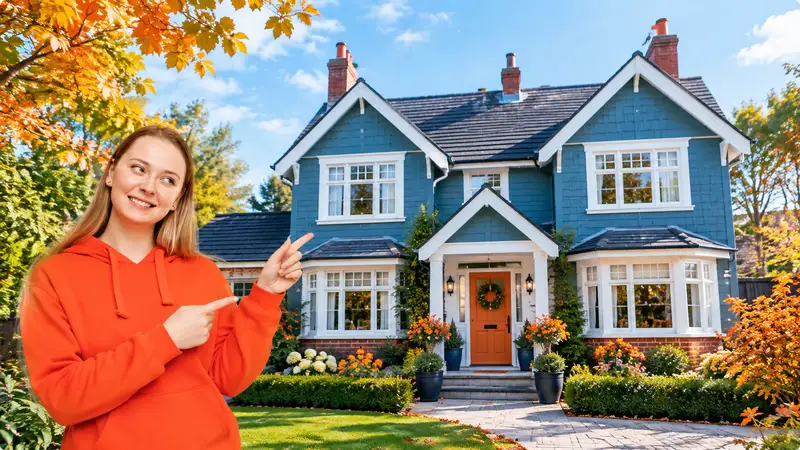
A home’s exterior creates the first impression before anyone walks through the front door. A clean facade, attractive landscaping, a welcoming entrance, and well-maintained outdoor features can make an ordinary property feel more comfortable and inviting. Exterior improvements do not always require a major renovation. Small, carefully selected changes can refresh the appearance while also helping protect the property from weather and everyday wear.
This home exterior decoradhouse guide explores practical ideas for improving the outside of a house. From exterior colors and landscaping to lighting, roofing, windows, pathways, and maintenance, these ideas can help homeowners create an attractive outdoor environment that works with the home’s architecture and surrounding landscape.
Start With an Exterior Inspection
Before buying materials or starting a decorating project, walk around the entire property and inspect the exterior carefully. Look for peeling paint, damaged siding, cracked surfaces, loose trim, blocked gutters, broken lights, damaged pathways, and areas where water collects.
An inspection helps separate cosmetic improvements from repairs that should be handled first. For example, improving landscaping will have limited long-term value if a leaking gutter is sending water toward the foundation.
Check the roofline, walls, windows, doors, foundation, drainage, driveway, patio, and garden areas. Pay attention to anything that looks worn or out of place. Regular exterior maintenance can also help identify water-related problems before they become more expensive.
Improve the Front Entrance
The front entrance is one of the most noticeable parts of a house. A simple entrance can become much more attractive with a clean door, updated hardware, suitable lighting, and a few well-positioned plants.
Consider repainting an old front door in a color that complements the home’s exterior. Neutral tones can create a calm appearance, while a carefully selected accent color can make the entrance stand out.
House numbers should be easy to read and positioned where visitors can see them. A clean doormat, attractive planters, and a small porch seating area can also make the entry feel more welcoming.
The goal is not to fill the entrance with decorations. Instead, choose a few elements that work together and keep the area uncluttered.
Choose Exterior Colors Carefully
Color can completely change how a home looks from the street. When planning home exterior decoradhouse improvements, consider the existing roof, windows, doors, landscaping, and architectural style before selecting new colors.
A useful exterior color scheme usually includes a main wall color, a trim color, and one or two accent colors. Using too many competing shades can make the facade appear visually busy.
Light neutral shades can create a bright and spacious impression, while darker accents can add definition around windows, doors, and architectural features. Natural colors can also work particularly well when the property has trees, shrubs, stone, or other landscape elements.
Always consider the surrounding environment and the amount of natural light the exterior receives throughout the day.
Refresh Siding and Exterior Walls
Siding has a major influence on the overall character of a house. Depending on the property, homeowners may have options such as vinyl, fiber cement, wood, brick, stone, stucco, or combinations of different materials.
A complete replacement is not always necessary. Cleaning the existing surface, repairing damaged sections, repainting suitable materials, or refreshing trim can make a noticeable difference.
Different materials can also be combined to add visual depth. For example, siding can be paired with stone around an entrance or contrasting trim around windows. The key is to maintain balance rather than introducing too many textures.
Exterior materials should also be selected according to local weather conditions, maintenance requirements, budget, and the architectural style of the property.
Make Landscaping Part of the Design
Landscaping should complement the house instead of competing with it. A well-planned front yard can guide attention toward the entrance while adding color, texture, and seasonal interest.
Start by keeping lawns, shrubs, and planting beds tidy. Remove dead growth and trim plants that block windows, pathways, or architectural features.
Use a mixture of heights to create depth. Low flowers can sit near pathways, medium shrubs can frame the house, and carefully positioned trees can provide structure.
Choose plants that suit the local climate and available sunlight. Low-maintenance and regionally appropriate plants can reduce ongoing work while keeping the landscape attractive.
Simple features such as decorative stones, raised beds, planters, or a small seating area can also improve the outdoor design.
Upgrade Outdoor Lighting
Exterior lighting improves both appearance and nighttime visibility. Instead of installing many bright fixtures, use lighting strategically around important areas.
Path lights can define walkways, wall lights can highlight architectural features, and porch fixtures can make the entrance easier to see after dark. Soft lighting around planting beds can also create an attractive evening atmosphere.
Choose fixtures that complement the home’s design. Modern houses may suit simple geometric fixtures, while traditional properties can work well with classic lantern-inspired designs.
Lighting can also be used to emphasize attractive exterior details such as stonework, columns, trees, or landscaping. Energy-efficient lighting options can help reduce electricity use while providing consistent illumination.
Keep the Roof in Good Condition
The roof is both a functional and visual component of the exterior. Missing, damaged, or aging roofing materials can make an otherwise attractive home look neglected.
Regularly inspect the roof from a safe location and look for visible signs of damage. Also check flashing around areas where different roof surfaces meet.
A roof does not always need replacement simply because its appearance has aged. Depending on its condition and material, cleaning, repairs, or minor improvements may be sufficient.
When replacement eventually becomes necessary, select a roofing material and color that work with the home’s overall exterior. Roof design should complement rather than compete with the facade.
Improve Windows and Shutters
Windows provide another opportunity to improve exterior appearance. Clean glass, fresh trim, attractive shutters, and well-maintained frames can make a significant difference.
If the existing windows are still functional, simple maintenance and updated surrounding trim may be enough. Window boxes and carefully selected plants can add character without requiring a major renovation.
For homeowners replacing windows, energy-efficient options may provide both aesthetic and performance benefits. Exterior upgrades such as improved windows, roofing, and insulation can contribute to building efficiency as well as appearance.
Create Attractive Walkways
A walkway naturally directs attention toward the entrance. Cracked, uneven, stained, or poorly maintained paths can make the exterior appear older than it really is.
Clean existing pathways and repair damaged sections where possible. For a larger improvement, consider materials such as brick, stone, concrete pavers, or other suitable hardscaping.
Plants can be placed along the edges without blocking the walking area. Small landscape lights can also define the path during the evening.
A walkway should feel connected to the rest of the landscape. Its material, shape, and color should complement the house rather than appear like a separate feature.
Maintain Gutters and Drainage
Gutters may not be the most decorative feature of a house, but they play an important role in exterior protection. Water needs to move away from the roof and foundation efficiently.
Blocked or damaged gutters can cause overflowing water, staining, landscape erosion, and other moisture-related problems. Regular cleaning and inspection can help keep the drainage system working properly.
Downspouts should direct water away from vulnerable areas around the foundation. When improving the exterior, make sure decorative landscaping does not interfere with drainage.
This is one area where appearance and function should always work together.
Add a Comfortable Outdoor Living Area
A porch, patio, balcony, or small outdoor seating area can make the exterior more useful. You do not need a huge space to create a comfortable outdoor zone.
A small bench, weather-resistant chairs, a simple table, and a few planters can transform an unused corner. Use outdoor materials designed to handle the local weather and keep furniture arranged so pathways remain clear.
For larger patios, consider dividing the space into simple zones for sitting, dining, or gardening. Keeping the design organized prevents the area from feeling crowded.
Use Low-Maintenance Materials
When planning home exterior decoradhouse projects, consider how much time and money each improvement will require in the future.
Low-maintenance siding, durable trim, weather-resistant decking, and suitable outdoor furniture can reduce repeated maintenance. However, low maintenance does not mean maintenance-free. Every exterior material still needs appropriate cleaning and occasional inspection.
Select materials according to climate, budget, expected lifespan, and the style of the property. A material that looks attractive but requires constant maintenance may not be suitable for every homeowner.
Improve Exterior Energy Efficiency
Exterior design can also contribute to a home’s energy performance. Windows, roofing, insulation, shading, and other building-envelope improvements can affect indoor comfort and energy use.
Consider where the house receives strong sunlight and whether trees, shade structures, or suitable window treatments can help manage heat. Exterior upgrades should be evaluated as a complete system rather than as isolated decorative changes.
For larger projects, homeowners can research energy-efficient windows, cool roofing options, exterior insulation, and other improvements appropriate to their climate and property.
Budget-Friendly Exterior Improvements
A beautiful exterior does not necessarily require a large budget. Start with improvements that create the biggest visible difference.
Some affordable options include:
- Cleaning the facade and windows
- Repainting the front door
- Updating house numbers
- Adding simple planters
- Trimming overgrown landscaping
- Cleaning walkways and patios
- Replacing outdated outdoor lights
- Refreshing damaged trim
- Adding mulch to planting beds
- Reorganizing outdoor furniture
These smaller changes can be completed gradually instead of requiring one large renovation project.
Seasonal Exterior Maintenance
Exterior maintenance should continue throughout the year. In warmer months, focus on landscaping, cleaning, painting, and outdoor living areas. Before periods of heavy rain or storms, inspect gutters, drainage, roofing, and loose exterior elements.
During cooler seasons, check for damaged branches, standing water, cracks, and other issues caused by changing weather.
Creating a simple seasonal checklist makes it easier to notice problems early. Regular maintenance also helps preserve improvements that have already been made.
Common Exterior Design Mistakes to Avoid
Even good ideas can produce poor results when they are not planned properly. Avoid choosing exterior colors without considering the roof and surrounding landscape.
Do not overcrowd the front yard with too many plants, decorations, or outdoor objects. Avoid blocking windows or pathways with large shrubs. Lighting should also be balanced rather than excessively bright.
Another common mistake is focusing entirely on appearance while ignoring maintenance and drainage. A beautiful exterior should also be durable, practical, and suitable for the property’s environment.
Important Points to Remember
The most effective home exterior decoradhouse approach combines appearance, functionality, maintenance, and long-term planning.
Remember these key points:
- Inspect the entire exterior before starting improvements.
- Repair serious maintenance problems before decorating.
- Keep the front entrance clean and welcoming.
- Use a balanced exterior color palette.
- Choose landscaping that suits the local environment.
- Keep gutters and drainage systems clear.
- Use outdoor lighting strategically.
- Select durable, practical exterior materials.
- Consider energy efficiency during larger upgrades.
- Maintain the exterior regularly throughout the year.
Frequently Asked Questions
What is the easiest way to improve a home’s exterior?
Cleaning, landscaping, repainting the front door, updating exterior lighting, and improving the entrance are relatively simple ways to create a noticeable change.
How can I improve curb appeal on a small budget?
Start with cleaning and maintenance. Trim plants, refresh planting beds, clean pathways, repaint the door, update house numbers, and add a few suitable plants or outdoor lights.
Which exterior areas should be maintained regularly?
Roofing, gutters, siding, windows, doors, drainage, pathways, landscaping, and outdoor lighting should all be checked periodically.
Should exterior design prioritize appearance or function?
Both are important. A successful exterior should look attractive while also protecting the home from weather, managing water, supporting energy efficiency, and remaining practical to maintain.
Final Thoughts
A thoughtfully designed exterior can change how a home looks, feels, and functions. The best improvements do not necessarily involve expensive renovations. A clean facade, balanced colors, attractive landscaping, a welcoming entrance, good lighting, maintained roofing, and reliable drainage can create a strong overall design.
Whether you are making small weekend improvements or planning a larger renovation, focus on changes that complement the architecture and work together as one complete outdoor design. With thoughtful planning and regular maintenance, home exterior decoradhouse ideas can help create an attractive, comfortable, and practical exterior that remains appealing for years. Click here see more details.