
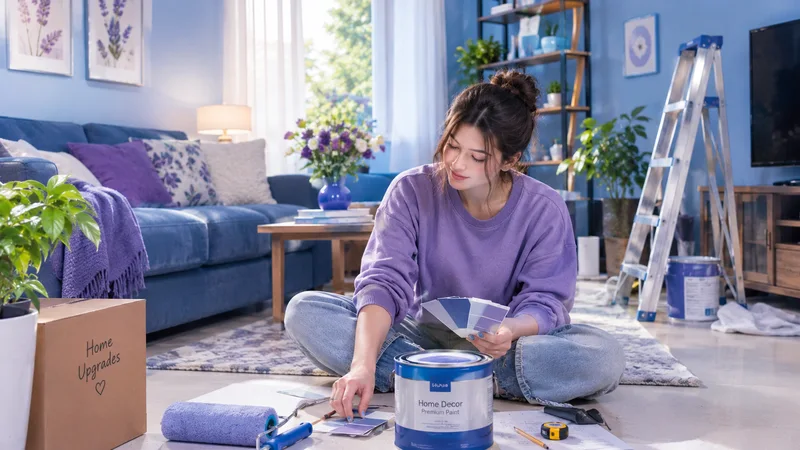
A home should be a comfortable place where style and functionality work together. Over time, rooms can start to feel outdated, storage may become insufficient, and certain features may no longer suit the needs of the people living there. Making thoughtful improvements can help solve these problems while giving the property a fresh and welcoming appearance.
You do not always need a complete renovation to transform your surroundings. Small changes, such as updating lighting, improving storage, refreshing wall colors, or replacing outdated fixtures, can make a noticeable difference. The most successful home improvements focus on practical needs while maintaining a consistent design.
If you are exploring upgrades decoradhouse, it is helpful to consider every part of your home before deciding where to begin. A clear plan allows you to prioritize important improvements, manage expenses, and create spaces that remain useful and attractive for years.
1. Start With a Complete Home Assessment
Before purchasing new furniture or decorative accessories, examine the condition of your home. Walk through each room and identify the areas that need attention. Look for damaged paint, worn flooring, poor lighting, limited storage, plumbing concerns, and outdated fixtures.
Separate your findings into three categories: essential repairs, functional improvements, and decorative updates.
Essential repairs should receive attention first. For example, water leaks, damaged electrical fittings, and moisture problems should be addressed before installing new finishes. Functional improvements can include better storage, improved ventilation, or more practical furniture arrangements.
Decorative updates, such as new curtains, artwork, cushions, and wall colors, can come later.
This approach prevents unnecessary spending and helps you focus on changes that genuinely improve everyday living.
2. Refresh Your Living Room
The living room is often one of the most frequently used areas of a home. It may serve as a place for family conversations, relaxation, entertainment, and welcoming visitors. Improving this space can make the entire home feel more inviting.
Start by examining the furniture arrangement. Large furniture pieces should not block windows, entrances, or natural walking paths. Position sofas and chairs in a way that encourages conversation while leaving enough open space.
A new color scheme can also refresh the room. Neutral shades such as cream, beige, soft gray, and warm white provide a versatile background. You can introduce personality through colorful cushions, rugs, curtains, and decorative accessories.
Lighting deserves equal attention. Combine ceiling lights with floor lamps or table lamps to create a comfortable atmosphere. If the room receives natural daylight, avoid covering windows with unnecessarily heavy curtains.
For homeowners considering upgrades decoradhouse, the living room is a useful starting point because relatively simple improvements can create a noticeable visual change.
3. Improve Kitchen Functionality
The kitchen needs to support everyday activities while remaining clean and organized. A practical kitchen improvement project should focus on storage, working surfaces, lighting, and convenient movement.
Begin by reviewing cabinet space. If shelves are overcrowded, introduce drawer organizers, pull-out storage, and suitable containers. Frequently used items should remain easy to reach, while occasional-use equipment can be stored in less accessible areas.
Cabinet handles and other small fittings can also influence the overall appearance. Replacing worn handles with modern designs can refresh existing cabinets without requiring a complete replacement.
Consider improving the lighting above work surfaces. Good illumination makes food preparation easier and helps create a more comfortable environment.
If countertops or cabinets are damaged, compare repair and replacement options before making a decision. Durable, easy-to-clean materials are generally practical choices for busy households.
4. Give Your Bathroom a Fresh Appearance
A bathroom upgrade does not always require removing every existing fixture. Cleaning, repairing, and replacing selected features can make the space feel considerably fresher.
Start by checking taps, shower fittings, drains, tiles, ventilation, and storage. Repair leaks and address moisture problems before introducing decorative changes.
You can refresh the appearance with a coordinated color palette, a new mirror, attractive towel holders, and practical storage baskets. Light-colored finishes can help a compact bathroom feel brighter, while suitable lighting around the mirror improves everyday usability.
Choose materials that can handle moisture and are easy to maintain. Make sure floors remain slip-resistant and that electrical work is completed by a qualified professional.
5. Upgrade Lighting Throughout the Home
Lighting has a major influence on how a room looks and feels. Poorly positioned fixtures can make attractive interiors appear dull, while thoughtful lighting can highlight architectural features and improve functionality.
A useful approach is to combine three types of lighting:
- Ambient lighting: Provides general illumination throughout the room.
- Task lighting: Supports activities such as reading, cooking, studying, and working.
- Accent lighting: Highlights artwork, shelves, decorative objects, and selected architectural details.
LED bulbs are worth considering because they generally use less electricity than traditional incandescent bulbs and have a longer operating life. Choose warm white lighting for comfortable living areas and suitable brighter lighting for workspaces.
Natural light should also be used effectively. Keep windows clean, arrange furniture carefully, and choose window coverings that allow daylight to enter when privacy permits.
6. Create Better Storage Solutions
A well-organized home often feels larger and more comfortable. When everyday belongings have designated places, rooms become easier to clean and maintain.
Start by identifying areas where clutter regularly collects. Entryways, bedrooms, kitchens, and living rooms often benefit from additional storage.
Some useful ideas include:
- Wall-mounted shelves for books and decorative objects.
- Storage baskets for smaller household items.
- Drawer organizers for personal belongings.
- Built-in cabinets where suitable.
- Furniture with integrated storage.
- Vertical shelving for compact rooms.
Avoid adding too many cabinets or shelves simply because space is available. Storage should support your routine without making rooms feel crowded.
The aim of upgrades decoradhouse is not simply to add more features but to make existing spaces work better for the people using them.
7. Improve Bedroom Comfort
Bedrooms should provide a calm and practical environment. Even modest improvements can make them feel more organized and welcoming.
Begin with the bed position and surrounding furniture. Keep walking areas clear and avoid placing unnecessary objects around the room.
Choose bedding, curtains, and rugs that complement one another. Soft neutral shades can create a relaxed atmosphere, while a few decorative colors can add personality.
Storage is particularly important in bedrooms. Wardrobes, bedside tables, under-bed storage, and wall shelves can help reduce visible clutter.
Lighting should also suit different activities. A comfortable ceiling light can provide general illumination, while bedside lamps offer convenient lighting for reading.
Good ventilation, suitable window coverings, and regular cleaning are additional ways to maintain a comfortable sleeping environment.
8. Make Your Home More Energy Efficient
Energy efficiency is an important part of modern home improvement. Practical changes can improve indoor comfort and help reduce unnecessary electricity consumption.
Start with simple steps such as switching off unused lights, using energy-efficient bulbs, sealing suitable gaps around doors and windows, and making better use of natural daylight.
In warmer climates, window shading, roof insulation where appropriate, and good ventilation can help manage indoor temperatures. Efficient ceiling fans and properly maintained cooling equipment may also improve comfort.
When replacing appliances, compare their energy labels, expected usage, and maintenance requirements. Avoid replacing equipment that is still working properly unless there is a clear reason to do so.
The Punjab Energy Efficiency and Conservation Agency recommends measures such as using efficient lighting, making maximum use of natural light, and improving door and window sealing. These practical measures can be useful starting points for households.
9. Refresh Walls, Floors, and Finishes
Walls and flooring cover large areas of a home, so their condition strongly affects the overall appearance.
A fresh coat of paint can make an older room look cleaner and brighter. Before painting, repair cracks, prepare the surface, and select a finish appropriate for the room.
For flooring, consider durability, cleaning requirements, comfort, and the amount of daily use. Options may include ceramic tiles, wood, laminate, vinyl, or suitable stone finishes.
You do not necessarily need the same flooring throughout the entire property. Different materials can work in different rooms as long as the overall design remains visually connected.
Small finishing details also matter. Updated door handles, repaired skirting boards, neat corners, and clean switches can help create a more polished appearance.
10. Improve Your Outdoor Spaces
Outdoor areas deserve attention because they contribute to the overall appearance and usefulness of a property. A balcony, garden, patio, or entrance can become a comfortable extension of indoor living space.
Start by cleaning existing surfaces and removing unnecessary clutter. Repair damaged paving, check drainage, and organize the available space.
Introduce suitable plants, attractive containers, and comfortable outdoor furniture. A small seating arrangement may be enough for a compact balcony, while a larger garden can accommodate separate relaxation and dining areas.
Outdoor lighting can improve visibility and create a welcoming atmosphere after sunset. Select weather-resistant furniture and accessories that suit local conditions.
When planning upgrades decoradhouse, remember that outdoor improvements should complement the architecture and colors of the main building.
11. Add Modern Features Carefully
Modern technology can make certain household activities more convenient. However, it is important to choose features that solve real problems instead of purchasing gadgets simply because they are popular.
Smart lighting controls, programmable cooling systems, security cameras, and energy-monitoring devices are examples of features that may be useful in suitable homes.
Before installing anything, check compatibility, reliability, maintenance requirements, and ongoing costs. Electrical installations and major technical changes should be handled by qualified professionals.
Technology should support the home rather than make everyday routines more complicated.
12. Set a Realistic Home Improvement Budget
A successful improvement project requires financial planning. Without a clear budget, small purchases can gradually become expensive.
Begin by estimating the cost of materials, labor, transportation, installation, and maintenance. Compare multiple quotations for larger projects and check exactly what each service includes.
It is also sensible to keep some money available for unexpected repairs. Older properties may contain hidden problems that become visible only after work begins.
You can divide the project into stages:
| Project Stage | Main Focus |
|---|---|
| Stage 1 | Essential repairs and safety |
| Stage 2 | Plumbing, electrical, and structural improvements |
| Stage 3 | Flooring, walls, and fixtures |
| Stage 4 | Furniture and storage |
| Stage 5 | Lighting and decoration |
| Stage 6 | Outdoor improvements |
Completing work in stages makes it easier to manage expenses and evaluate the results before moving forward.
13. Avoid Common Home Improvement Mistakes
Even attractive renovation ideas can create problems when they are not planned properly.
One common mistake is purchasing furniture before measuring the available space. Another is choosing decorative materials without considering cleaning and maintenance requirements.
Ignoring essential repairs is also risky. Covering a moisture problem with fresh paint, for example, does not solve the underlying issue.
Other mistakes include using too many colors, overcrowding rooms, following trends without considering personal needs, and spending the entire budget on appearance rather than functionality.
A balanced project gives equal attention to comfort, durability, safety, and design.
Frequently Asked Questions
What are the best upgrades for an older home?
Start with essential repairs, plumbing and electrical checks, ventilation, lighting, and damaged surfaces. Then consider storage, furniture, and decorative improvements.
How can I improve my home without spending too much?
Rearrange furniture, refresh paint, organize storage, replace outdated accessories, and improve lighting. Complete larger projects gradually.
Which room should I upgrade first?
Begin with the room that has the greatest practical need. Kitchens, bathrooms, and living rooms are common priorities, but the best choice depends on the condition of your property.
Do home upgrades increase property value?
Some improvements may make a property more attractive to potential buyers, particularly when they improve functionality, condition, and energy performance. However, the effect depends on location, property type, workmanship, and market conditions.
How often should a home be updated?
There is no fixed schedule for every property. Inspect important systems regularly and make improvements when materials, fixtures, or household needs require attention.
Final Thoughts
Improving a home is a gradual process that becomes easier when every project has a clear purpose. From refreshing living rooms and updating kitchens to improving lighting, storage, energy efficiency, and outdoor areas, thoughtful changes can make everyday life more comfortable.
The best upgrades decoradhouse approach focuses on quality, practical design, and long-term usefulness rather than following every passing trend. Start with essential repairs, establish a realistic budget, and prioritize the spaces that need the most attention.
With careful planning and consistent maintenance, you can create a home that feels organized, attractive, comfortable, and suitable for your changing needs. Click here see more details.